How to keep mosquitoes away from your Wichita backyard
Wichita's mosquitoes are relentless from May through October. Here's how to keep them out of your backyard with practical prevention and professional treatment.
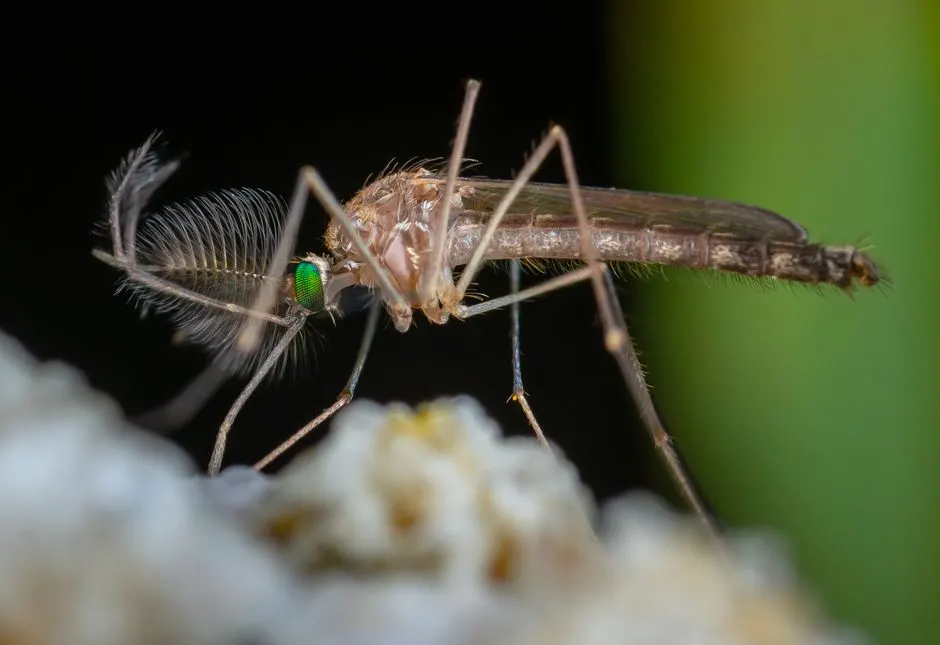
Keeping mosquitoes away from your Wichita backyard comes down to three things: eliminating standing water, treating the shaded resting areas where adult mosquitoes hide during the day, and breaking the breeding cycle before it restarts every two weeks. If you do only one of those three, you will still get bitten. Do all three consistently from May through October, and your yard becomes a place you can actually use after 7 p.m.
Wichita sits in one of the tougher mosquito belts in Kansas. The Arkansas River, Chisholm Creek, and the hundreds of residential drainage swales that feed them give Culex and Aedes mosquitoes everything they need. Here is what actually works, what it costs in 2026, and when it makes sense to bring in a pro.
Why Wichita Backyards Attract So Many Mosquitoes
Wichita backyards attract mosquitoes because the city's combination of river-bottom humidity, irrigated lawns, and older neighborhoods full of clogged gutters creates ideal breeding habitat from April through the first hard freeze. A single Culex female can lay 100 to 300 eggs in a bottle cap of water, and those eggs hatch in as little as 48 hours when temperatures stay above 80°F.
Three local factors make it worse than most people expect:
- Flat terrain and poor drainage. Much of Wichita sits on former floodplain. After a summer storm, low spots in your yard hold water for days.
- Mature tree canopy. Older neighborhoods like Riverside, College Hill, and Delano have dense shade that keeps soil damp and gives adult mosquitoes a cool place to rest from 10 a.m. to 4 p.m.
- Irrigation habits. Automatic sprinklers that run every other day keep flower beds and shrub lines consistently wet, which is exactly what mosquito larvae need.
If you have already tried sprays, citronella candles, and those ultrasonic plug-ins, you know they do not hold up here. The mosquitoes in Wichita backyard settings are mostly the persistent, daytime-biting Aedes aegypti and Aedes albopictus species, plus the Culex that carries West Nile virus. Both groups breed in tiny containers, not just ponds.
When Is Mosquito Season in Wichita Kansas?
Mosquito season in Wichita Kansas runs from roughly late April through mid-October, with peak biting pressure from June through September. The first hard freeze - usually the last week of October or first week of November - kills off most adults, but eggs laid in containers can survive the winter and hatch the following spring.
We are writing this in November 2026, so the current season is essentially over. That is actually the best time to plan. Here is what the calendar looks like for most Wichita properties:
- March-April: Overwintered eggs hatch after the first warm rain. This is when you want to dump and scrub every container on the property.
- May-June: Population explodes. First professional barrier treatment of the year is most effective in mid-May.
- July-August: Peak season. Re-treatment every 21 to 30 days is standard.
- September-October: Numbers drop but West Nile risk stays high through the first freeze.
If you want a yard you can use next summer, the work starts in March, not July. Homeowners across residential pest control wichita KS often ask us to build a season-long plan that starts with a spring inspection and ends with a fall clean-up.
How to Keep Mosquitoes Away From My Wichita Backyard
You keep mosquitoes away from your Wichita backyard by removing every source of standing water you can reach, treating the shaded vegetation where adults rest, and repeating the treatment every three to four weeks during the active season. Miss any one of those and the population rebounds within 10 to 14 days.
1. Dump and scrub every water-holding object weekly
This is the single highest-impact thing you can do. Mosquito larvae need standing water for 7 to 10 days to become biting adults. If you dump a bucket every five days, you break the cycle before it produces a new generation.
Walk your yard and check:
- Plant saucers under potted plants
- Bird baths (change water twice a week)
- Clogged gutters and downspout extensions
- Tarps covering boats, grills, or firewood
- Old tires, wheelbarrows, and kids' toys
- Drainage swales and French drains that do not fully empty
Scrub the inside of anything that held water. Mosquito eggs stick to the sides like glue and survive drying out for months.
2. Fix the drainage problems you cannot see
Most Wichita yards have at least one low spot that stays wet for 48 hours after a rain. That is enough. If your yard holds water in the same place every storm, the fix is usually regrading, adding a dry well, or clearing a blocked French drain. A pest inspection wichita KS will map those spots for you in about an hour.
3. Treat shaded resting areas, not just the air
Adult mosquitoes spend most of the day hiding in cool, damp shade - under decks, in ivy, along fence lines, inside dense shrubs. Fogging the open air does almost nothing. What works is a residual barrier treatment applied to the undersides of leaves, fence boards, and deck rails where mosquitoes land.
Professional mosquito control wichita KS uses a misting or backpack sprayer to coat those surfaces with a product that keeps killing for 21 to 30 days. That is why one treatment outperforms a season of store-bought foggers.
4. Cut back the vegetation that shelters them
Trim shrubs so air moves through them. Keep grass under 4 inches. Thin out ivy and ground cover near the house. Mosquitoes need humidity above 60% to survive the day, and dense vegetation holds that humidity like a sponge.
5. Use repellent on yourself, not just the yard
Even a well-treated yard will have some mosquitoes drifting in from neighboring properties. For personal protection, the CDC still recommends DEET (20-30%), picaridin (20%), or oil of lemon eucalyptus. Reapply every 4 to 6 hours.
Common Mistakes That Make Mosquito Problems Worse
The most common mistake Wichita homeowners make is treating the yard once in July and expecting the season to be solved. Mosquito control is a repeating process, not a one-time event. Here are the others we see every week:
- Fogging only the air. Thermal foggers kill the mosquitoes they hit and nothing else. Two hours later, new ones move in from the shrubs.
- Ignoring the neighbor's pool or pond. If a nearby property is breeding mosquitoes, your yard will keep getting reinfested. This is one reason professional service covers the perimeter, not just the lawn.
- Running sprinklers at night. Evening irrigation leaves lawns and beds wet through the night, which is peak mosquito activity time. Water in the morning instead.
- Skipping the gutters. A single clogged gutter can breed thousands of mosquitoes per season. Clean them in spring and again in early fall.
- Using bug zappers. Studies consistently show zappers kill more beneficial insects than mosquitoes.
- Waiting until you are getting bitten. By the time you notice, the population is already established. Start treatment in May.
If you are also dealing with ants, spiders, or roaches moving in around the same damp areas, it usually makes sense to handle everything in one visit. We cover that under preventive pest control wichita KS so you are not paying for three separate trips.
West Nile Virus in Wichita: What You Need to Know
West Nile virus in Wichita is a real annual concern, not a scare tactic. Sedgwick County confirms human cases most years between July and September, and the Culex mosquitoes that carry it breed in the stagnant water found in catch basins, clogged gutters, and neglected pools.
Most people who contract West Nile have no symptoms. About 1 in 5 develop fever, headache, and body aches. Fewer than 1 in 150 develop the severe neuroinvasive form, which is most dangerous for adults over 60 and anyone immunocompromised.
What this means practically: if you have a backyard pond, a pool that sits untreated for weeks, or standing water you cannot drain, that is a West Nile risk, not just a nuisance. Getting it treated is a public-health decision as much as a comfort one.
If you want a full property assessment before next season, our team handles pest control wichita KS across every neighborhood in the city and can tell you exactly where your breeding sites are.
When to Call a Professional for Mosquito Control
Call a professional when you have done the water-removal work yourself and you are still getting bitten within 10 minutes of stepping outside. That usually means the breeding source is off your property, or the resting population is too established for DIY sprays to knock down.
Other signs it is time:
- You cannot use your yard between 6 and 9 p.m. from June through September
- You have a pond, water feature, or drainage ditch on or next to the property
- Someone in the house is pregnant, immunocompromised, or over 65
- You are hosting an outdoor event and need the yard usable on a specific date
- You have already spent $200+ on store-bought products with no real change
Our technicians at wichitapestcontrolpros treat the resting sites, the breeding sites, and the perimeter in one visit. Most yards in Wichita need a treatment every 21 to 30 days from May through September to stay usable. If you also have wasps under the eaves or ticks in the tall grass, we handle those on the same trip - see flea and tick control wichita KS for what that covers.
Frequently Asked Questions
How do I keep mosquitoes away from my Wichita backyard?
Dump and scrub every water-holding container weekly, fix low spots that stay wet more than 48 hours, and treat shaded resting areas like shrubs, fence lines, and under decks with a residual barrier spray every 21 to 30 days from May through October. Personal repellent handles the mosquitoes that drift in from neighboring yards.
How much does mosquito control cost in Wichita KS?
Typical 2026 pricing in Wichita runs $60 to $95 per treatment for a standard quarter-acre lot, or $350 to $550 for a full May-through-September season with five to six visits. Larger lots, ponds, and heavy vegetation push the price toward the higher end.
When is mosquito season in Wichita Kansas?
Mosquito season in Wichita starts in late April and runs through mid-October, with peak activity from June through September. The first hard freeze - usually late October - ends the season, though eggs survive winter and hatch the following spring.
Are mosquitoes bad in Wichita KS?
Yes. Wichita sits in a river-bottom climate with high summer humidity and plenty of residential standing water, so mosquito pressure is consistently higher than in drier parts of Kansas. Sedgwick County reports West Nile virus activity most years between July and September.
What is the best mosquito treatment in Wichita?
A residual barrier spray applied to shaded resting sites, combined with larvicide in any standing water you cannot drain, is the most effective approach. It kills adult mosquitoes on contact and keeps working for 21 to 30 days, which is why it outperforms foggers and candles.
Get Help With Mosquito Control in Wichita
If you want your backyard back next spring, the time to plan is now. We build season-long mosquito programs for Wichita homeowners that start with a full property inspection and end with a fall clean-up, so you are not starting from scratch every June.
Call wichitapestcontrolpros at 1234567890 to schedule your first treatment or a free property assessment.