Brown recluse in bedrooms and closets
We dust the wall voids, baseboards, and closet corners where recluses hide, then set glue boards to catch the ones we cannot see. Sealing the cracks they use to move between rooms stops the spread.
Spider Control wichita KS means hunting down the webs, the egg sacs, and the cracks they hide in. We handle brown recluse and black widow calls across Sedgwick County every week, and we treat the whole house, not just the corner where you spotted one. If you are seeing spiders now, that is usually a sign of a bigger population behind the walls.

Spider control wichita KS is a full interior and exterior treatment that targets spiders, their egg sacs, and the insects they feed on. We dust cracks, baseboards, window frames, and attic joists with residual product, then spray the exterior perimeter and eaves. Glue boards go down in the corners where spiders travel. Most homes take two to three hours, and the residual keeps working for 60 to 90 days.
Spiders show up in wichita homes for one reason: food and shelter. A wet spring pushes insects indoors, and our older housing stock in Delano and College Hill has the cracks and gaps to let them in. If you are wondering why spiders keep showing up in your wichita basement, it is usually a moisture problem plus an untreated crawl space. We fix both at the same time.
Every spider control wichita KS job includes a full inspection, targeted treatment, and a 30-day follow-up. Here is what you get, and what costs extra if you want it.
We check the attic, crawl space, garage, closets, and every room for live spiders, webs, and egg sacs. This takes 20 to 30 minutes on a typical home and tells us exactly where to treat.
We dust cracks, voids, and baseboards with a residual insecticide and spray the exterior perimeter. Attics and crawl spaces get a separate dust application. The product keeps working for 60 to 90 days.
We set Catchmaster glue boards in the corners and travel corridors where spiders move. These catch the ones you cannot see and tell us whether the treatment is working at the 30-day check.
We caulk pipe penetrations, seal foundation vents with copper mesh, and replace worn door sweeps. This stops the next wave of spiders from walking in and cuts down on the insects they feed on.
We come back at 30 days to check the glue boards and re-treat any hot spots at no charge. If the boards are clean, you are done. If not, we find the source and fix it.
You get a report listing the species we found, where we treated, and what to watch for. If you are a renter or property manager, this documentation proves the work was done.
You call, we ask what you are seeing and where. A 5-minute conversation tells us whether you have a common house spider problem or something that needs a same-day response, like a black widow under a patio chair. We book you the same week, often the same day.
A state-certified technician walks the property with you. We check the attic, crawl space, garage, and exterior eaves. We identify the species on sight and mark the harborage zones. This takes 20 to 30 minutes on a typical 1,500 to 2,500 square foot home.
We dust cracks and voids with a residual insecticide, spray the exterior perimeter, and set glue boards in travel corridors. Attics and crawl spaces get a separate dust application. The whole treatment runs two to three hours for most homes.
We caulk pipe penetrations, seal foundation vents with copper mesh, and replace worn door sweeps. This is the step most companies skip. It is also the reason our customers stay spider-free longer than they did with the last guy.
We come back at 30 days to check the glue boards and re-treat any hot spots at no extra charge. If the boards are clean, you are done. If not, we find out why and fix it. That is how we know the job actually worked.
Purpose-built equipment, used by trained technicians — so the job is done accurately the first time.
We use professional sprayers to apply liquid concentrates on exterior perimeters, eaves, and baseboards. The pressure and nozzle type matter for even coverage, which is why store-bought sprayers do not get the same result.
We apply residual dusts into wall voids, attics, and crawl spaces. Dust reaches the cracks and voids that sprays cannot, which is where brown recluse actually live. It keeps working for months.
We place glue boards in corners, along baseboards, and in travel corridors. They catch the spiders you cannot see and give us a count at the 30-day follow-up so we know whether the treatment worked.
We use moisture meters to find the damp zones in basements and crawl spaces. Moisture draws insects, insects draw spiders. Fixing the moisture is part of solving the spider problem.
We use boroscopes to look inside wall voids and tight spaces without cutting into the drywall. That lets us confirm brown recluse activity and treat the right spots.
For large open spaces like attics and warehouses, we use fogging machines to apply a fine mist that reaches into cracks and corners. It is fast and covers a lot of ground in one pass.
We seal foundation vents, pipe penetrations, and gaps with copper mesh and caulk. This is the exclusion step that stops the next wave of spiders from getting inside.
The homeowner was finding two to three brown recluse per week in the basement and closets. Store-bought spray had not helped. Glue boards set by the homeowner caught 14 recluses in the first week.
We dusted the wall voids, treated the baseboards and closet corners, and sealed the gaps around pipes and trim. At the 30-day check, the glue boards caught 2 recluses. At 60 days, zero.
The homeowner found four black widows under the porch steps and one in the garage over a two-week period. Kids and a dog used the backyard daily. The homeowner was ready to stop using the porch entirely.
We treated the porch steps, garage corners, foundation vents, and the surrounding exterior zones. The same-day treatment knocked down the active widows. At the 30-day check, the glue boards were clean and no new webs had appeared.
A property manager was getting tenant complaints about spiders in three of six units. The previous pest company sprayed baseboards once a year and the problem kept coming back. Tenants were threatening to move out.
We treated all six units, dusted the wall voids, sealed entry points, and set glue boards. We also treated for the insects the spiders were feeding on. Complaints dropped to zero within the first month.
Spiders are a symptom. The real problem is usually moisture, entry points, or a food supply you cannot see. Here is what we run into most often.
Ask a pro →We dust the wall voids, baseboards, and closet corners where recluses hide, then set glue boards to catch the ones we cannot see. Sealing the cracks they use to move between rooms stops the spread.
We treat the exterior zones where widows nest: porch steps, garage corners, foundation vents, and under outdoor furniture. The residual keeps killing new ones for 60 to 90 days.
We treat the voids and harborage zones, remove the egg sacs, and seal the entry points. That breaks the cycle instead of just knocking down the visible spiders.
We use moisture meters to find the wet zones, treat the harborage areas, and recommend fixes like vapor barriers or vent repairs. Drying out the space cuts the food supply.
$180 - $900 depending on scope and whether you choose a one-time or preventive plan
Typical 2026 pricing in the wichita area runs $180 to $450 for a standard one-time treatment, depending on square footage and how many harborage zones we find. Attic and crawl space treatments add $75 to $150. A 12-month preventive plan runs $600 to $900. We quote the price before we start, so you know what you are paying. If you want the best spider killer wichita has to offer, it is not the cheapest spray. It is the treatment that actually solves the problem.
The price covers inspection, treatment, entry point sealing, and a 30-day follow-up. If spiders are still active at the follow-up, we re-treat at no charge. That is the difference between a one-time spray and a treatment that actually works.
Larger homes take more product and more time. A 1,200 square foot home might run $180 to $250. A 3,000 square foot home with multiple levels can run $400 to $450 for the same treatment.
Brown recluse and black widow treatments cost more than common house spider jobs because they require void dusting and more thorough coverage. A heavy recluse infestation may need two visits, 30 days apart.
Attic and crawl space treatments add $75 to $150 because of the extra time and product required. These are the zones where recluses live, so skipping them usually means the problem comes back.
Sealing gaps, vents, and pipe penetrations adds time and materials. It is included in most of our treatments, but extensive sealing on an older home can add $50 to $100.
“We kept finding brown recluse in the basement and could not figure out where they were coming from. The tech dusted the wall voids and sealed the gaps around the pipes. Two weeks later the glue boards were almost empty. I have not seen a recluse since, and that was four months ago.”
Marcus T.Homeowner, College Hill
✓ Verified“Found a black widow under the porch step while I was watering plants. Called at 9 a.m. and they were here by 1 p.m. the same day. Treated the whole exterior and the garage. The tech showed me exactly where they were nesting and sealed it up. Worth every penny.”
Sandra K.Homeowner, Riverside
✓ Verified“I manage six rental units in Delano and spiders were a constant complaint. We put all six on a preventive plan. The techs treat every 90 days, refresh the glue boards, and seal new gaps. Complaints dropped to zero in the first quarter. That is a real number, not a sales pitch.”
Dale R.Property Manager, Delano
✓ VerifiedTwo species matter here: the brown recluse and the black widow. Brown recluse bites cause tissue damage that can take weeks to heal. Black widow bites cause muscle pain and cramping and can be serious for kids and older adults. Both are common in Sedgwick County. If you see either one, call us rather than spraying store-bought product.
Most spider extermination wichita KS jobs run $180 to $450 for a standard home, depending on square footage and how many harborage zones we find. Attic and crawl space treatments add $75 to $150. A 12-month preventive plan runs $600 to $900. We quote the price before we start, so there are no surprises.
You have to treat the voids, not just the visible surfaces. Brown recluse treatment wichita Kansas means dusting wall voids, baseboards, and attic spaces with a residual product, then sealing the cracks they use to move around. Glue boards catch the ones you cannot see. Most homes need two visits, 30 days apart, to break the cycle.
Yes, and they are most active from late spring through the first hard freeze, usually sometime in November. They nest low to the ground, under porch steps, in garage corners, and around foundation vents. We treat those zones on every black widow extermination wichita KS call. Keep kids and pets away from the area until the product dries, about 2 hours.
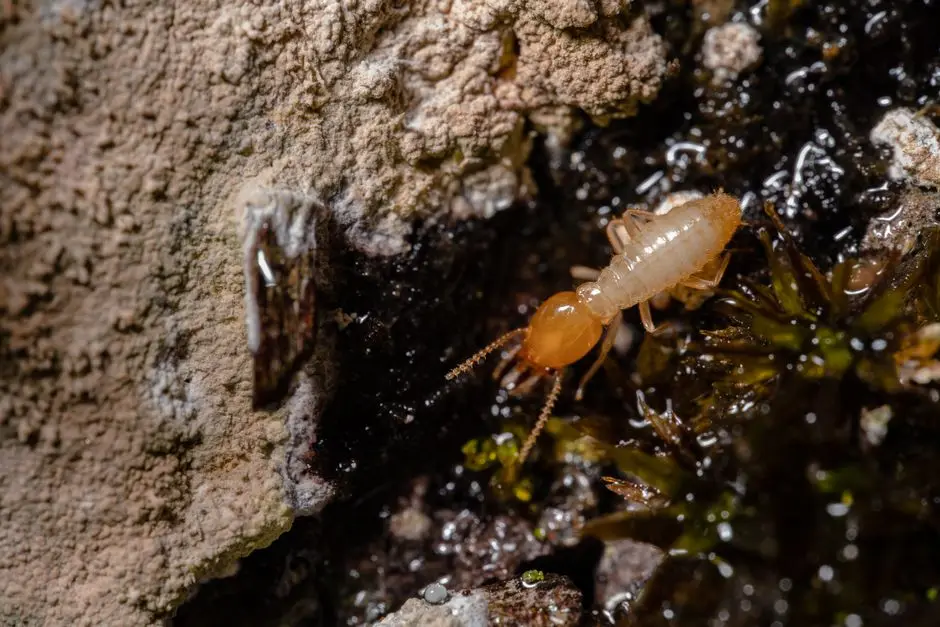 Termite ControlSpiders and termites both thrive in damp crawl spaces. When we treat for spiders, we often spot termite mud tubes or damaged wood. Our termite detection devices and wood treatment solutions catch it early, before the repair bill hits five figures.Explore →
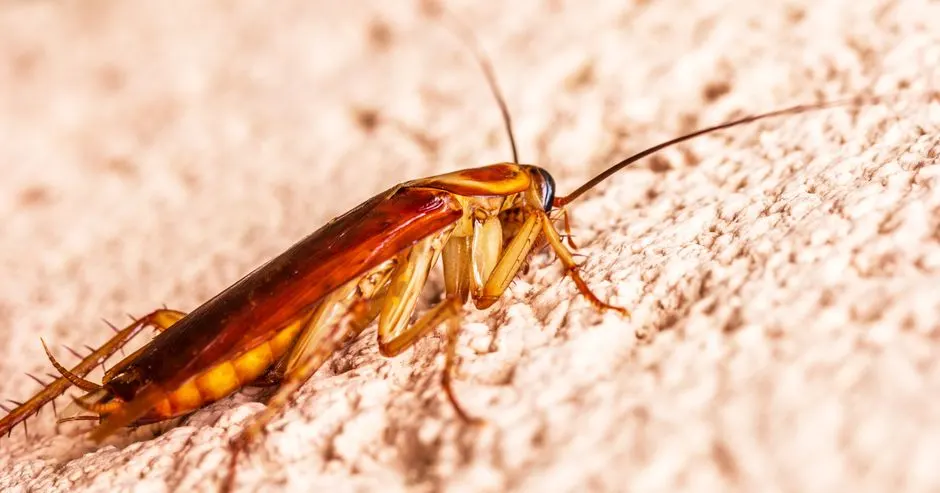 Roach ControlRoaches are a primary food source for spiders. If you have roaches, you will keep having spiders no matter how much you spray. We use Advion bait stations and insect growth regulators to knock down roach populations, which cuts the spider food supply.Explore →
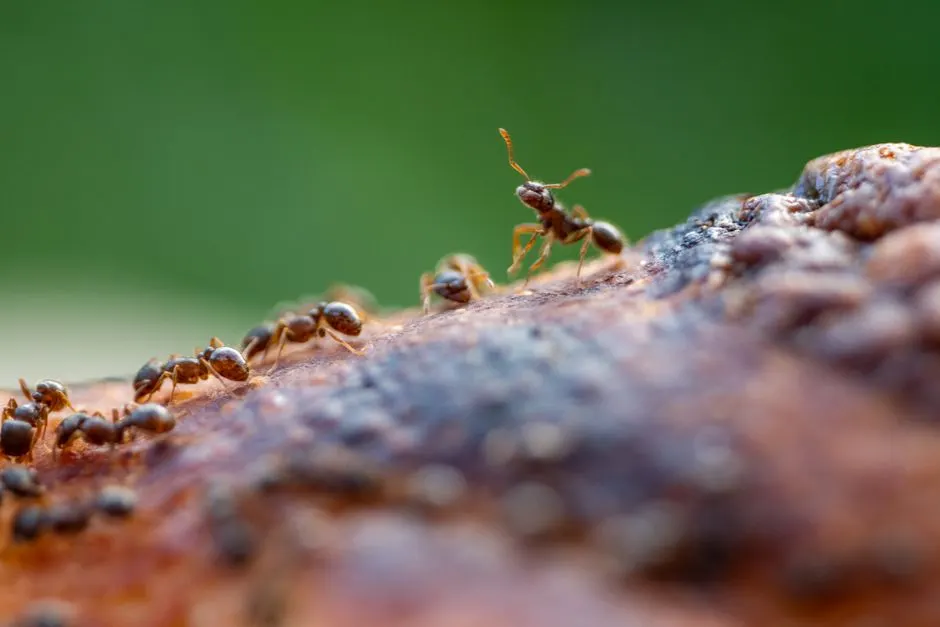 Ant ControlAnt invasions bring spiders in behind them. We treat trails, nests, and entry points with baits and granules, then seal the gaps. Fewer ants means fewer spiders hunting them along your baseboards and window sills.Explore →
 Rodent ControlMice and rats open gaps that spiders use to get inside. We set rodent traps and seal entry points with copper mesh. Closing those holes does double duty: no more rodents, and no more spider highway into your living room.Explore →
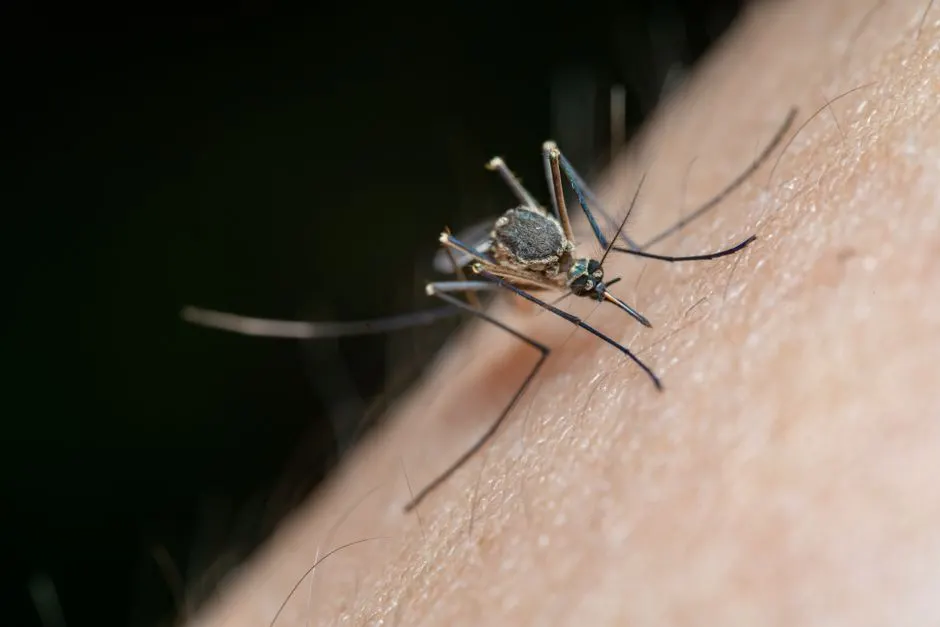 Mosquito ControlMosquitoes breed in standing water around wichita yards, and spiders build webs near that water to catch them. Treating the breeding sites cuts the spider food supply at the source. We treat eaves, shrubs, and standing water zones in one visit.Explore →
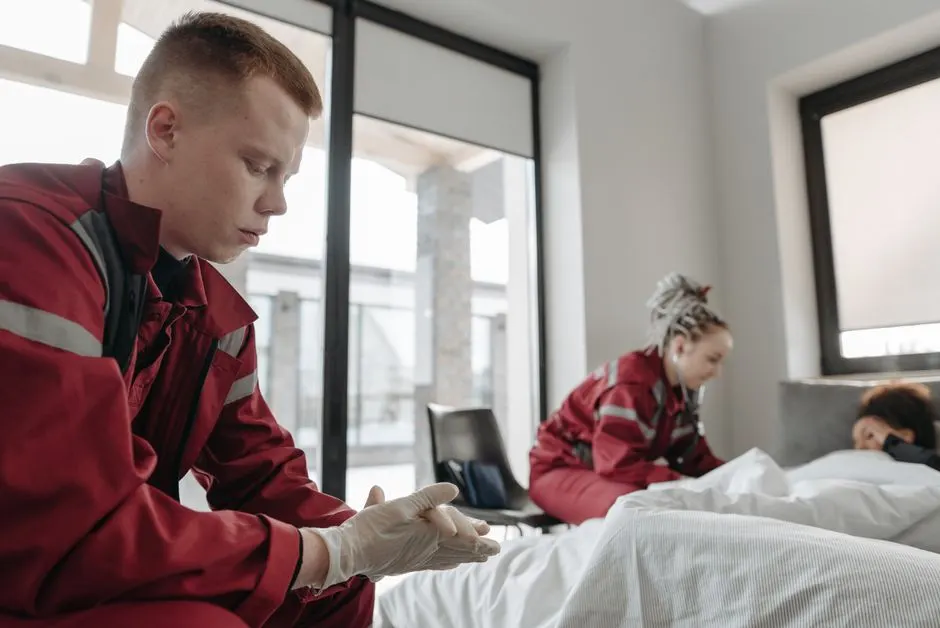 Bed Bug TreatmentBed bugs and spiders both hide in seams and cracks. If you are dealing with bed bugs, we use thermal imaging cameras and targeted treatments. We can check for spider activity in the same visit and treat both problems together.Explore →
 Flea and Tick ControlFleas and ticks come in on pets and set up in carpets and yard edges. Spiders follow. We treat interior and exterior zones with granules and liquid concentrates, which handles the fleas and reduces the spider population at the same time.Explore →
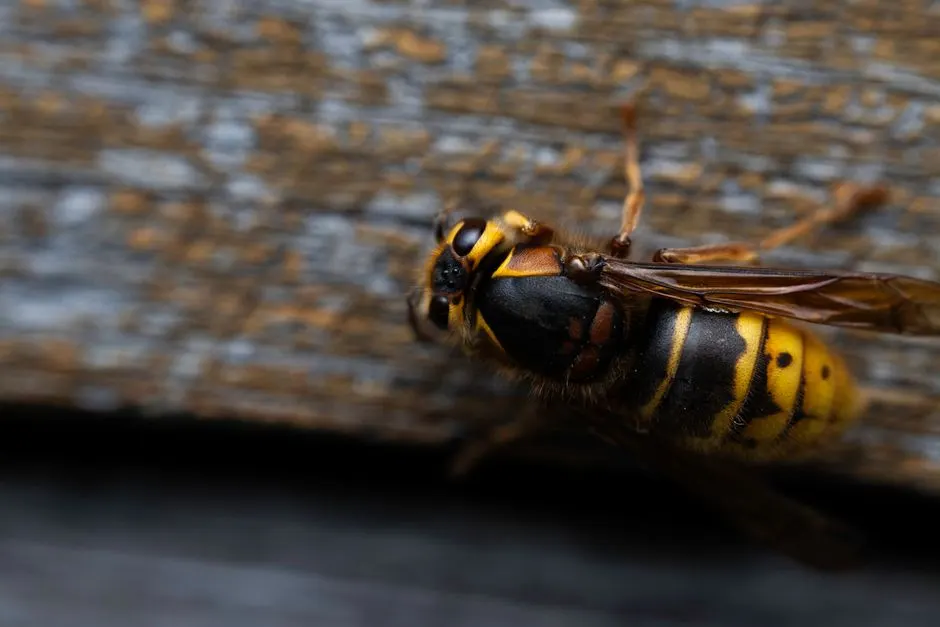 Wasp and Hornet RemovalWasps and hornets build nests under eaves and in attics, the same spots spiders use. We remove the nests and treat the surrounding area. One visit handles both problems, and you stop getting stung on the way to your front door.Explore →
Call 1234567890 and we will get a licensed technician to your door, often the same day. We quote the price before we start, and we back the work with a free 30-day follow-up. If spiders are still active, we come back and re-treat at no charge.
Book Spider Control 1234567890 →Call 1234567890 or email info@wichitapestcontrolpros.com to schedule service. We answer the phone during business hours and run 24/7 dispatch for urgent pest issues. Most wichita calls get a same-day or next-day appointment, and you get a written estimate before any work starts.