Pets scratching constantly after being outside
We treat the yard where fleas are breeding, then the interior where eggs and larvae hide. Two visits spaced 14 to 21 days apart break the cycle. Most pets stop scratching within a week of the follow-up.
Flea and tick control wichita KS homeowners can count on starts with finding where fleas and ticks are actually breeding, not just spraying the carpet. We treat yards, pet zones, and interior cracks where eggs survive, using EPA certified products and Kansas Department of Agriculture licensed applicators. If your dog is scratching or you found a tick after a walk through Sedgwick County, call us today.
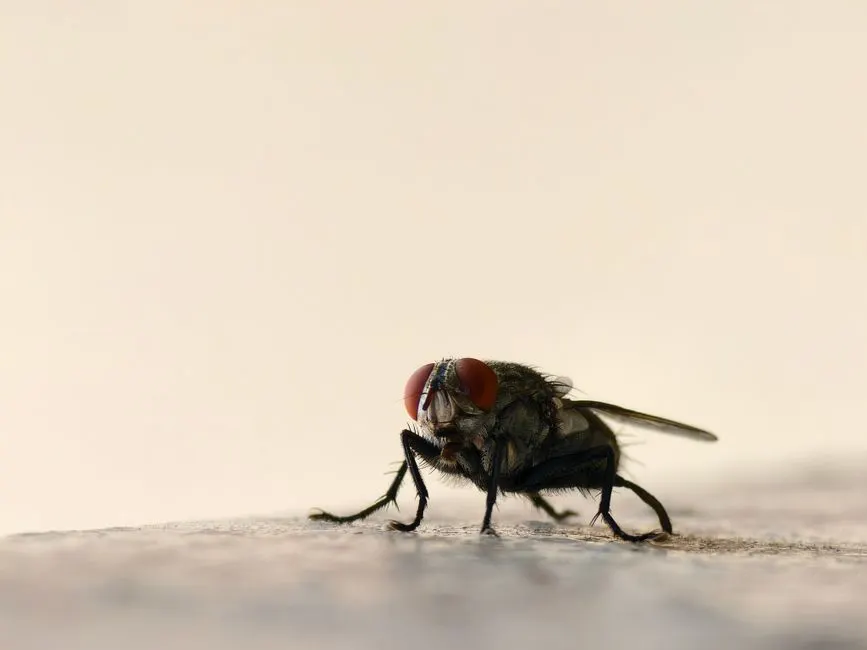
Flea and tick control wichita KS is a two-part treatment that kills adult fleas and ticks on contact, then breaks the egg and larvae cycle so the infestation does not rebound in two weeks. We treat the yard perimeter, shaded bedding areas, pet resting spots, and interior baseboards with insect growth regulators and residual insecticides. Most homes need two visits spaced 14 to 21 days apart because flea pupae survive the first application.
Wichita sits in a humid continental pocket where summer heat pushes flea populations into shaded lawns and tick activity peaks from April through October. Squirrels, raccoons, and neighborhood cats move ticks right into your fenced yard. If you are searching for flea and tick control near me wichita KS after a vet visit, that usually means the source is outdoors, not just on the pet. We treat the yard first, then the house.
Every flea and tick control wichita KS job includes the same core scope. We treat the yard and interior on the same day, then return for a follow-up visit. Add-ons like flea fogging for severe infestations or wildlife exclusion are quoted separately after inspection.
We apply granules and residual liquid to the lawn, pet runs, under decks, and along fence lines. Shaded areas get extra coverage because that is where 95 percent of flea larvae develop. A standard quarter-acre lot takes 45 to 60 minutes.
Baseboards, carpet edges, under furniture, and pet sleeping areas get a residual spray plus an insect growth regulator. We do not fog the whole house unless the infestation is severe. Interior work runs 30 to 45 minutes.
IGRs stop flea larvae from maturing into biting adults. Without an IGR, you kill the adults but the next generation hatches in 10 to 14 days. We include an IGR on every treatment at no extra charge.
We return 14 to 21 days later to hit newly hatched fleas and any ticks that survived the first pass. This second visit is included in the quoted price. It is the single biggest reason our treatments actually work.
Before we leave, we tell you when the yard is safe for pets, how to wash bedding, and how often to vacuum. We also flag any wildlife activity, like raccoon latrines or squirrel runs, that could reintroduce fleas.
A state certified technician walks the yard and interior, checking pet bedding, carpet edges, shaded turf, and fence lines. We use moisture meters and a flashlight to find larvae hotspots. This takes 20 to 30 minutes and tells us exactly where to focus.
We apply granules and residual liquid concentrate to the lawn, pet runs, under decks, and along the fence line. Shaded areas get extra product. The yard treatment takes 45 to 60 minutes for a typical quarter-acre lot.
Inside, we treat baseboards, carpet edges, under furniture, and pet sleeping areas with a residual spray plus an insect growth regulator. We do not fog the whole house unless the infestation is severe. Interior work runs 30 to 45 minutes.
Before we leave, we tell you when the yard is safe for pets, how to wash pet bedding in hot water, and what vacuuming schedule breaks the cycle fastest. Vacuuming daily for the first two weeks removes up to 50 percent of eggs.
We return 14 to 21 days later to hit newly hatched fleas and any ticks that survived. This second visit is what separates a real fix from a temporary knockdown. Most customers see zero live fleas within 48 hours of the follow-up.
Purpose-built equipment, used by trained technicians — so the job is done accurately the first time.
We use calibrated backpack sprayers to apply residual liquid concentrate evenly across yards and interior baseboards. Calibration matters because over-application wastes product and under-application leaves survivors.
For severe indoor infestations, fogging machines reach carpet padding, wall voids, and subfloor areas where sprays cannot penetrate. We reserve fogging for heavy cases because it is more disruptive.
Thermal imaging helps us find warm, humid pockets where flea larvae develop, like under appliances, in crawlspaces, and behind baseboards. It also confirms wildlife activity in attics.
Flea larvae need 50 percent or higher humidity to survive. Moisture meters tell us which parts of the yard and basement are supporting larvae, so we treat the right zones.
A boroscope lets us look inside wall voids and under floors without cutting drywall. We use it to confirm flea pupae in hard-to-reach spots before recommending fogging or fumigation.
Broadcast spreaders apply granules evenly across the lawn and pet runs. Granules release slowly and hold through two or three Kansas rain events, which extends yard protection between visits.
Two dogs scratching constantly, visible fleas on white socks after walking across the carpet. Store-bought sprays had been used three times with no lasting result. Vet confirmed flea allergy dermatitis on one dog.
After two treatments spaced 18 days apart, flea counts dropped to zero on sticky traps. Both dogs stopped scratching within a week of the follow-up. The yard stayed protected through the rest of the summer.
Family pulled 12 ticks off two kids over a single weekend. Back fence bordered an open field with tall grass. Ticks were found on socks, ankles, and one on a scalp.
We treated the fence line, transition strip, and mow-height vegetation with residual insecticide. Follow-up at 21 days found zero ticks on drag-cloth sampling. The family resumed backyard play within a week.
New tenants found fleas biting within three days of move-in. Previous tenant had two cats. Vacant for six weeks, so pupae had time to mature. Carpet showed visible flea dirt along baseboards.
We treated carpet, baseboards, and the shared yard, then returned at 14 days for a follow-up. Sticky traps showed zero fleas after the second visit. Landlord received documentation for the file.
Fleas and ticks are not just annoying. They spread disease, cause skin infections, and get worse every week you wait. Here are the problems we hear about most from wichita homeowners.
Ask a pro →We treat the yard where fleas are breeding, then the interior where eggs and larvae hide. Two visits spaced 14 to 21 days apart break the cycle. Most pets stop scratching within a week of the follow-up.
We treat the transition zone between lawn and brush, mow-height vegetation, and fence lines where ticks wait for a host. Yard treatment cuts tick numbers by 80 to 90 percent when applied correctly.
We use professional-grade products like Termidor and Advion plus an insect growth regulator. The IGR stops larvae from maturing, which is what store sprays miss. Our two-visit protocol finishes the job.
We inspect with thermal imaging cameras and treat the entire unit, including carpet, baseboards, and any shared yard. Landlords get documentation for their records, and tenants get a flea-free start.
$180 - $450 for a standard home and yard, including the follow-up visit
Typical 2026 pricing for flea and tick control wichita KS runs $180 to $450 for a standard home and yard, including the follow-up visit. Larger lots, heavy infestations, and multi-pet homes push toward the higher end. Tick treatment cost wichita Kansas customers see depends on lot size, brush volume, and whether interior fogging is needed. We quote the full two-visit package upfront so there are no surprise charges after the work is done.
A single vet visit for flea allergy dermatitis can cost $150 to $300, and it does not fix the source. Treating the yard and home properly costs less than two vet visits and stops the problem for the season. Our two-visit protocol is the reason the price holds up.
A quarter-acre lot takes 45 to 60 minutes to treat. Half-acre and larger properties need more product and more time, which raises the price. We measure your lot during the inspection and quote accordingly.
Light flea activity needs the standard two-visit protocol. Heavy infestations with visible larvae or pupae may need a third visit or interior fogging, which adds to the cost. We tell you upfront which category you fall into.
More pets means more flea eggs in the environment. Homes with three or more pets usually need extra attention to bedding, carpet, and pet runs, which adds 15 to 25 percent to the base price.
Yard-only treatment costs less than a full interior and exterior job. If fleas are already inside, interior treatment is not optional. We inspect first and tell you what is actually needed.
“Our two dogs brought fleas in from the backyard and we could not get rid of them with store sprays. The crew treated the yard and the house on the same visit, then came back 18 days later. By day 20 we saw zero fleas. They even told us to vacuum daily, which made a huge difference.”
Megan R.Homeowner, College Hill
✓ Verified“I pulled three ticks off my son after he played in the backyard. Called these guys and they treated the fence line and the brush behind the shed the next morning. They explained which products they used and when it was safe for the kids. No ticks since, and that was back in June.”
Darnell T.Homeowner, Westlink
✓ Verified“My cat had flea allergy dermatitis and the vet said the house had to be treated. wichitapestcontrolpros treated the carpet, baseboards, and the yard in one trip. They used an insect growth regulator so the eggs would not hatch. Two visits later, my cat stopped scratching. Worth every dollar.”
Priya S.Pet owner, Riverside
✓ VerifiedMost wichita flea and tick treatments run $180 to $450 for a standard home and yard, including the follow-up visit. Larger yards, heavy infestations, or multi-pet homes push toward the higher end. Tick treatment cost wichita Kansas customers see depends on lot size and how much brush we have to treat. We quote the full two-visit package upfront so there are no surprise charges.
Treat the yard and the house on the same day, then vacuum daily for two weeks. Flea eggs and larvae live in carpet fibers and pet bedding, so washing bedding in hot water and vacuuming every day removes the food source. We apply a residual spray plus an insect growth regulator inside, which stops the next generation from maturing. Most homes are flea-free within 21 days.
Yes. Sedgwick County has established populations of American dog ticks and lone star ticks, and blacklegged ticks are spreading into the region. Tick season runs April through October, with a second bump in late September. Tick borne disease wichita Kansas cases, including ehrlichiosis and Rocky Mountain spotted fever, are reported every year. Yard treatment cuts the risk significantly.
Keep grass mowed short, clear leaf litter and brush, and treat the yard twice a year with a residual product. Wash pet bedding weekly and keep wildlife like raccoons and opossums out of the yard, since they drop flea eggs. If you have pets, use vet-recommended flea prevention year-round. Our preventive pest control program adds yard flea treatment wichita customers can schedule each spring.
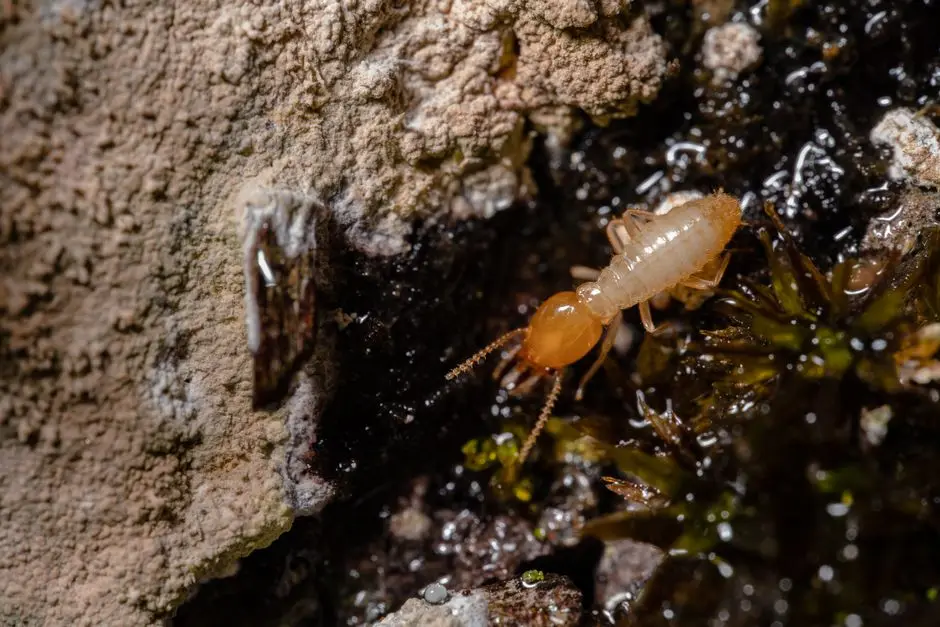 Termite ControlFleas and termites both thrive in wichita's humid summers. When we inspect for fleas, we often spot termite mud tubes along foundations. Our termite control uses Termidor and bait stations to protect the same structure we are already treating.Explore →
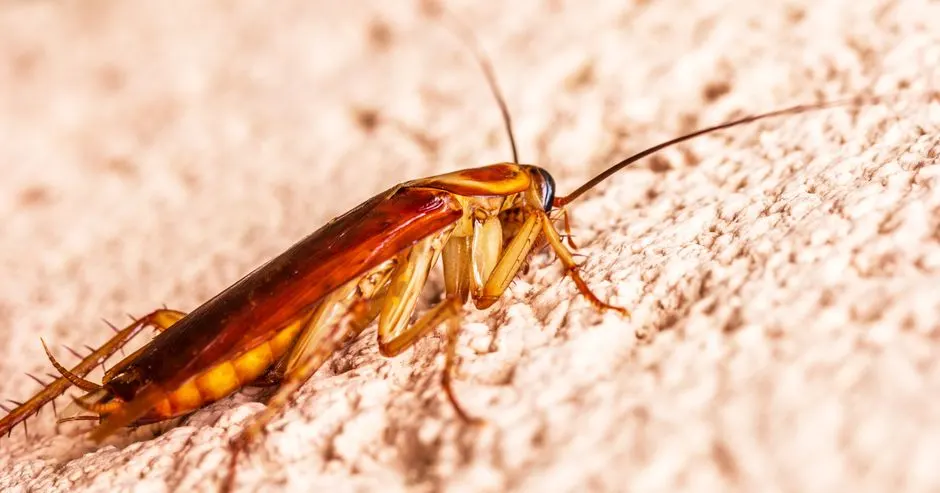 Roach ControlGerman cockroaches share the same warm, moist hiding spots fleas use under appliances and baseboards. If you are booking flea removal wichita wide, adding roach control in one visit saves you a second trip and a second call-out fee.Explore →
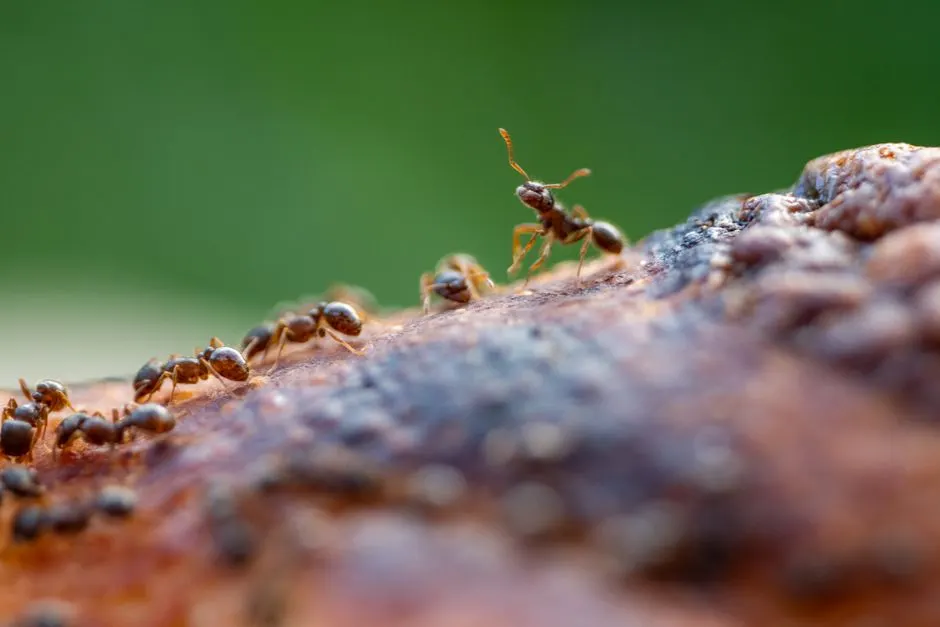 Ant ControlAnt invasions often follow the same moisture and food trails fleas use around pet bowls. We treat ant colonies with Advion bait stations while we are on site, so one visit handles both problems.Explore →
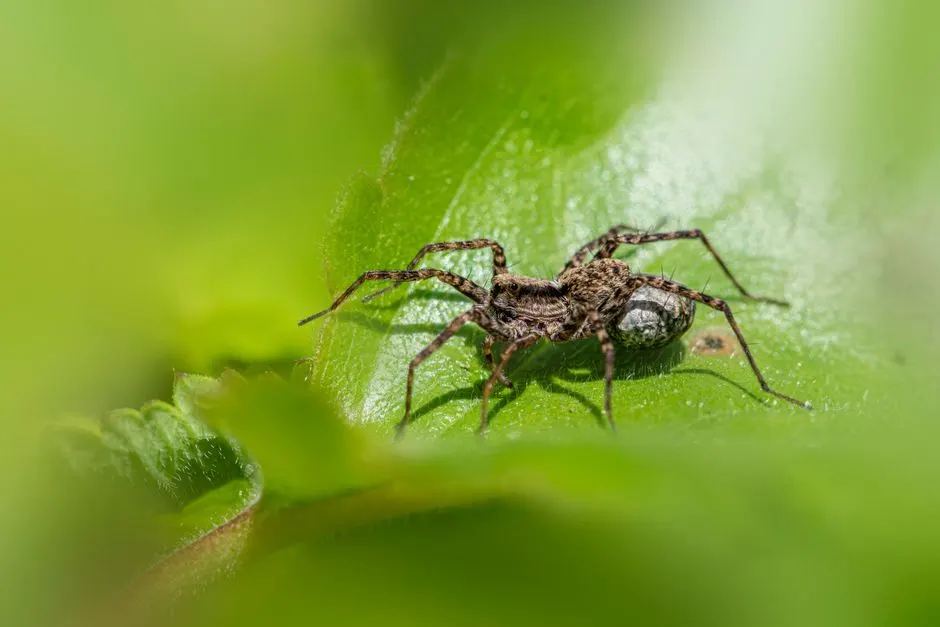 Spider ControlSpiders move indoors when outdoor flea and tick treatments push prey insects inside. Our spider control knocks down webs and treats entry points, keeping the interior clean after your flea treatment.Explore →
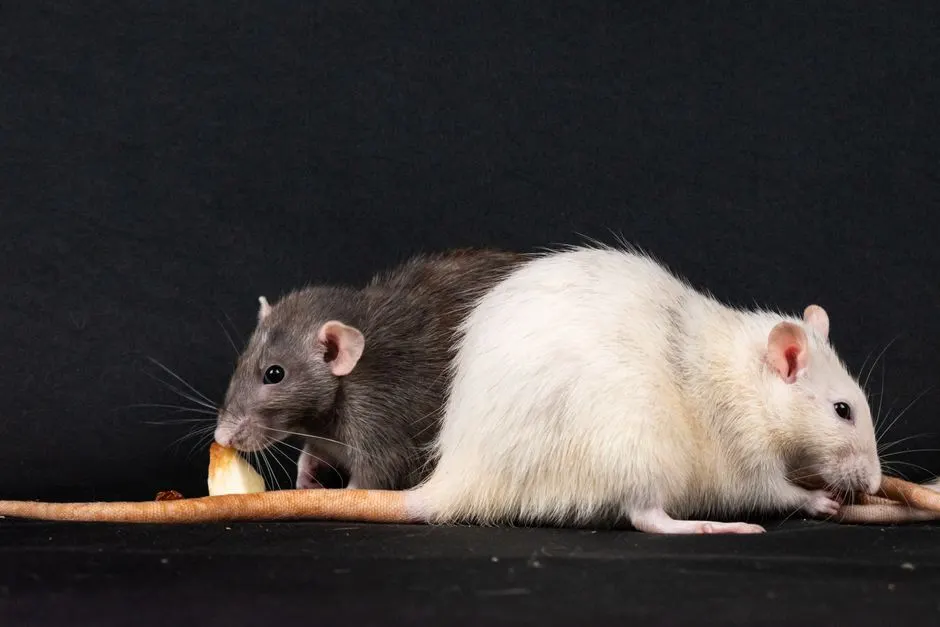 Rodent ControlMice and rats carry fleas into wichita homes. Rodent infestations and flea infestations often show up together. We set snap traps and rodent traps, seal entry points, and treat the flea problem at the same time.Explore →
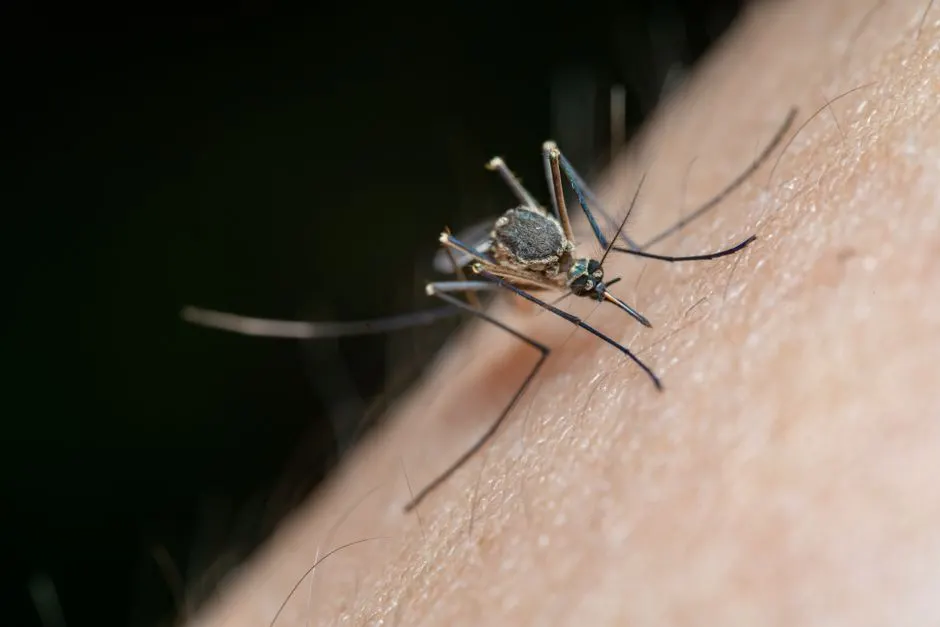 Mosquito ControlMosquitoes and ticks both breed in wichita's shaded, damp yards. Our mosquito control targets standing water and resting vegetation, which reduces the same habitat ticks use along fence lines and under decks.Explore →
 Bed Bug TreatmentBed bugs and fleas cause similar bites, and homeowners often confuse the two. We inspect with thermal imaging cameras and boroscopes to confirm which pest you have before treating. If it is bed bugs, we use a separate heat and insecticide protocol.Explore →
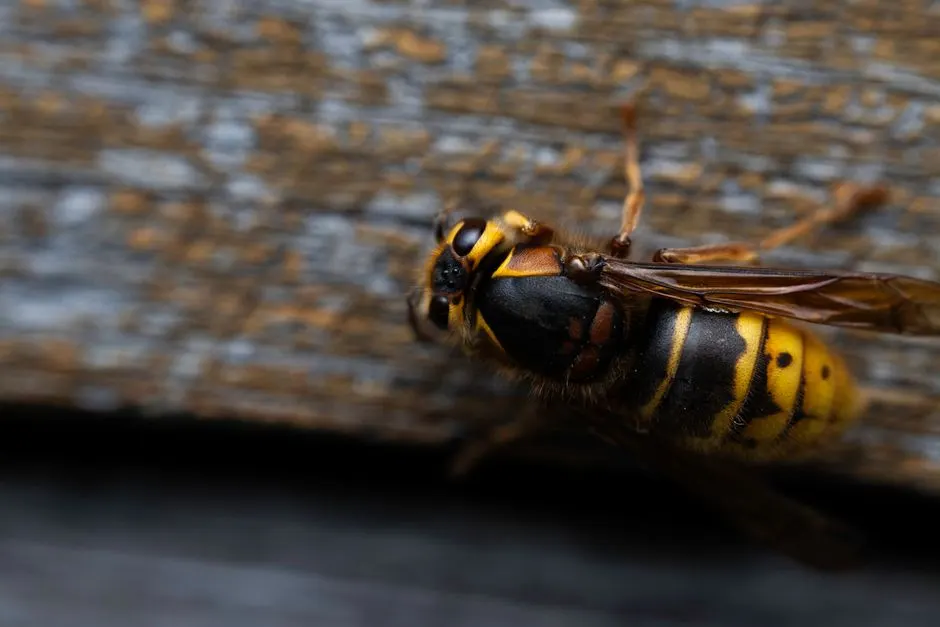 Wasp and Hornet RemovalPaper wasps and yellow jackets nest under eaves and in ground holes where fleas also hide. Our technicians remove nests safely and treat the surrounding area, so your yard is clear of both stinging insects and biting fleas.Explore →
Call 1234567890 and we will schedule same-day or next-day flea and tick treatment at your wichita home. Licensed applicators, EPA certified products, and a follow-up visit included in the price. If fleas are biting now, do not wait another week.
Schedule Service 1234567890 →Call 1234567890 or email info@wichitapestcontrolpros.com to schedule service. We answer the phone during business hours and run 24/7 dispatch for urgent pest issues. Most wichita calls get a same-day or next-day appointment, and you get a written estimate before any work starts.