When is termite season in Wichita and how to prepare
Termite season in Wichita runs March through November, with swarms peaking April to June. Here's how to spot activity and protect your home before damage starts.
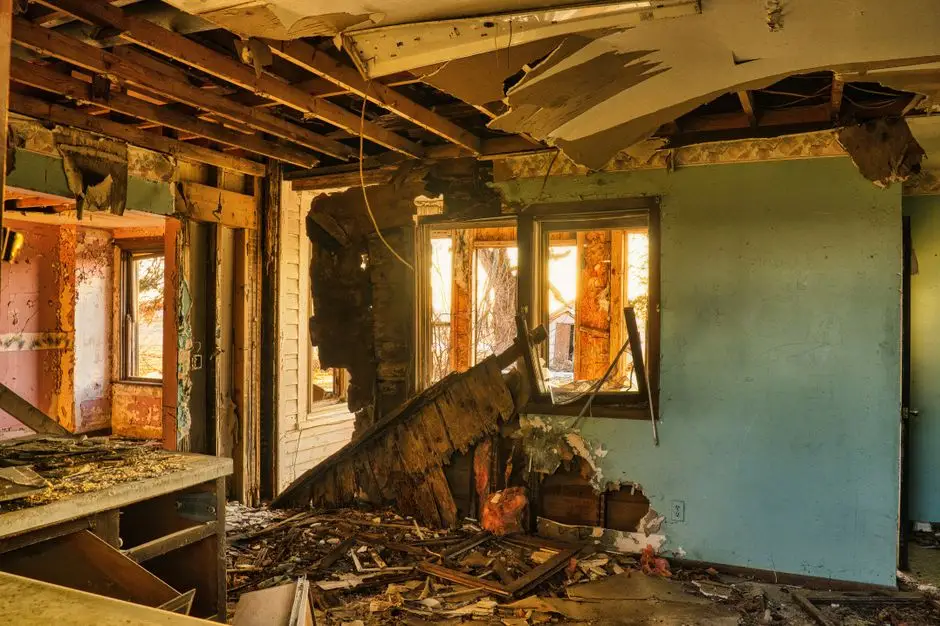
Termite season in Wichita runs from March through November, with swarm activity peaking between April and June. Subterranean termites stay active year-round in heated soil and crawl spaces, but the warm months are when colonies expand, swarm, and cause the most visible damage. If you own a home in Wichita, the next eight weeks are when you should be paying attention.
This guide covers what termite season actually looks like in south-central Kansas, the signs to watch for, and the steps that keep a $250,000 home from becoming a $12,000 repair bill.
When termite season starts and ends in Wichita
Termite season in Wichita starts in mid-March when soil temperatures at the 12-inch depth climb past 50°F, and it tapers off in November once the first hard freezes settle in. The peak window is April through June, when eastern subterranean termite colonies send out winged reproductives - the swarmers - to start new colonies.
Wichita sits in USDA Zone 6b, which matters more than most homeowners realize. Our soil rarely freezes deeper than 8 to 10 inches, so termites keep feeding through winter in the warmer band below the frost line. They don't hibernate. They slow down.
That means "termite season" is really about swarming and visibility, not about when the insects are eating your house. They're eating it in January too.
Spring: swarm season
April, May, and June are when you'll see swarmers - winged termites about 3/8 inch long, dark brown to black, with four wings of equal length. They typically emerge on warm, humid mornings after a rain, often between 9 a.m. and noon. If you find a pile of shed wings on a windowsill or near a foundation crack, that's a swarm that already happened.
Summer: peak feeding
July and August are when colonies do the most damage. Moisture from summer storms keeps soil soft and easy to tunnel through, and the colony has a full season of workers pushing through wood. This is when sagging floors, bubbling paint, and hollow-sounding baseboards start showing up.
Fall and winter: the hidden months
September through November, termites stay active but go quiet on the surface. No swarms, no visible activity. The colony is still feeding, just deeper in the soil and further into the wood. Winter is when we find the worst damage during inspections - because nobody was looking.
What months are termites active in Wichita KS?
Termites are active in Wichita KS every month of the year, but the months that matter for detection and treatment are March through November. Here's the breakdown we use when scheduling inspections for Wichita homeowners:
- March-April: Early swarm prep. Soil warms, colonies mobilize. Best time for a preventive barrier.
- May-June: Peak swarm season. Highest chance of seeing winged termites indoors.
- July-August: Peak damage season. Colonies at full strength.
- September-October: Late-season feeding. Damage accumulates quietly.
- November-February: Reduced surface activity, ongoing subsurface feeding.
If you're scheduling a termite inspection wichita, the sweet spot is late February or early March - before the swarm, before the damage, before the colony has a full season to work.
Why subterranean termites thrive in Wichita soil
Subterranean termites thrive in Wichita because our soil holds moisture, our housing stock is old, and our climate gives them a nine-month feeding window. Three specific factors make this area worse than most of Kansas.
Soil composition. Wichita sits on a mix of clay and loam that drains slowly. Termites need moisture to build mud tubes, and slow-draining soil keeps the foundation perimeter damp for days after a rain.
Older housing stock. A large share of Wichita homes were built between 1920 and 1970, before modern treated-lumber standards. That means original sill plates, floor joists, and crawl space framing are all untreated wood sitting inches from soil.
Irrigation habits. Wichita homeowners water foundations in summer to prevent settling - which is exactly what termites want. A soaker hose running against the foundation for two hours a day creates a perfect termite highway.
We see this pattern constantly in neighborhoods like Riverside, College Hill, and Delano, where 1940s bungalows sit on pier-and-beam foundations with 18 inches of crawl space. Those homes are termite magnets. If you're dealing with other pests in the same crawl space - roaches, silverfish, earwigs - the moisture problem is usually the root cause, and it's worth addressing both at once. Our team handles residential pest control wichita KS for exactly this kind of combined problem.
How to prepare for termite season in Wichita
Preparing for termite season in Wichita means cutting off the moisture and wood-to-soil contact that termites need to enter your home. You can do most of it in a weekend. Here's the checklist we walk homeowners through every spring.
1. Break the wood-to-soil connection
Termites build mud tubes from soil into wood. If there's no direct path, they have to work harder and expose themselves. Pull mulch back at least 6 inches from the foundation. Make sure siding, stucco, and wood trim stop at least 6 inches above grade. If your home has a crawl space, check that no wood debris, form boards, or scrap lumber is touching the soil.
2. Fix every moisture source
Termites need water more than they need wood. Fix dripping outdoor spigots, reroute downspouts at least 4 feet from the foundation, and clear gutters twice a year. Inside, fix any slow leak under the kitchen or bathroom sink - a drip that's been running for six months can soften a cabinet base enough to attract a colony.
3. Reduce soil moisture around the foundation
Water the lawn in the morning, not at night. Run irrigation cycles shorter and more often so the soil drains between cycles. If you have a sprinkler head aimed at the foundation, move it.
4. Get a professional inspection before swarm season
A proper inspection takes 45 to 90 minutes and covers the crawl space, attic, foundation perimeter, and every accessible wood-to-soil contact point. Our pest inspections wichita KS include a written report with photos and a treatment recommendation if we find activity.
5. Consider a preventive barrier
A liquid termiticide barrier applied to the soil around the foundation gives you 5 to 10 years of protection, depending on the product and soil conditions. For Wichita homes with known termite pressure - anything within a quarter mile of a creek, drainage ditch, or wooded lot - this is the single highest-value thing you can do. We install these as part of our preventive pest control wichita KS program.
Common mistakes homeowners make
The biggest mistake Wichita homeowners make is treating termites like a seasonal problem instead of a year-round one. Here are the others we see most often.
- Waiting for visible damage. By the time you see sagging floors or bubbling paint, the colony has usually been feeding for 3 to 8 years. Termites eat wood from the inside out.
- Confusing swarmers with flying ants. They look similar. Termites have straight antennae, a thick waist, and four equal-length wings. Ants have bent antennae, a pinched waist, and two long wings plus two short ones.
- Spraying store-bought insecticide on a swarm. That kills the termites you can see and does nothing to the colony 6 feet underground. It also makes a professional inspection harder.
- Stacking firewood against the house. Firewood is termite food. Keep it at least 20 feet from the foundation and off the ground.
- Skipping the crawl space. Most termite activity in Wichita homes starts in the crawl space, not the living area. If you haven't looked down there in a year, you don't know what's happening.
When to call a professional
Call a professional the moment you find winged termites indoors, mud tubes on the foundation, or wood that sounds hollow when you tap it. Those are confirmed signs of an active infestation, not a maybe.
You should also call if you're buying a home in Wichita - a WDIR (wood-destroying insect report) is required by most lenders, and it's the cheapest insurance you'll ever buy. And call if your home is over 30 years old and has never had a termite inspection. The odds aren't in your favor.
Our team at wichitapestcontrolpros handles inspections, treatments, and preventive barriers across Sedgwick County. We'll tell you what we find, what it costs to fix, and what happens if you do nothing. No pressure either way.
Frequently Asked Questions
When is termite season in Wichita Kansas?
Termite season in Wichita Kansas runs March through November, with swarm activity peaking April to June. Subterranean termites remain active year-round below the frost line, so damage can accumulate even in winter. The best time to schedule an inspection is late February or early March.
How do I prepare for termite season in Wichita?
Pull mulch 6 inches back from the foundation, fix all moisture leaks, reroute downspouts 4 feet away, and schedule a professional inspection before April. If your home has never been treated, a preventive soil barrier gives 5 to 10 years of protection and costs $800 to $1,800 for a typical Wichita home.
What months are termites active in Wichita KS?
Termites are active every month in Wichita KS, but surface activity - swarms and visible mud tubes - shows up March through November. Peak swarm months are May and June. Peak damage months are July and August. Winter activity is hidden but ongoing.
Are termites common in Wichita Kansas?
Yes. Eastern subterranean termites are common throughout Sedgwick County. Wichita's clay-loam soil, older housing stock, and humid summers create ideal conditions. Roughly 1 in 5 homes we inspect in older neighborhoods shows some sign of past or current activity.
How to prevent termites in Wichita?
Keep wood 6 inches above soil, fix every moisture leak, reduce foundation irrigation, store firewood 20 feet from the house, and get a professional inspection every 2 to 3 years. A liquid soil barrier is the most effective single preventive step for Wichita homes.
Get help with pest control in Wichita
Termite season in Wichita starts in March whether you're ready or not. If you want a straight answer about what's happening under your house, we'll come look. Call 1234567890 to schedule an inspection or a preventive barrier - we serve all of Wichita and the surrounding Sedgwick County area.