Why am I seeing roaches in my Wichita kitchen at night?
Roaches in your Wichita kitchen at night usually mean a nearby harborage, not a one-off visitor. Here is why they appear after dark and how to stop them.
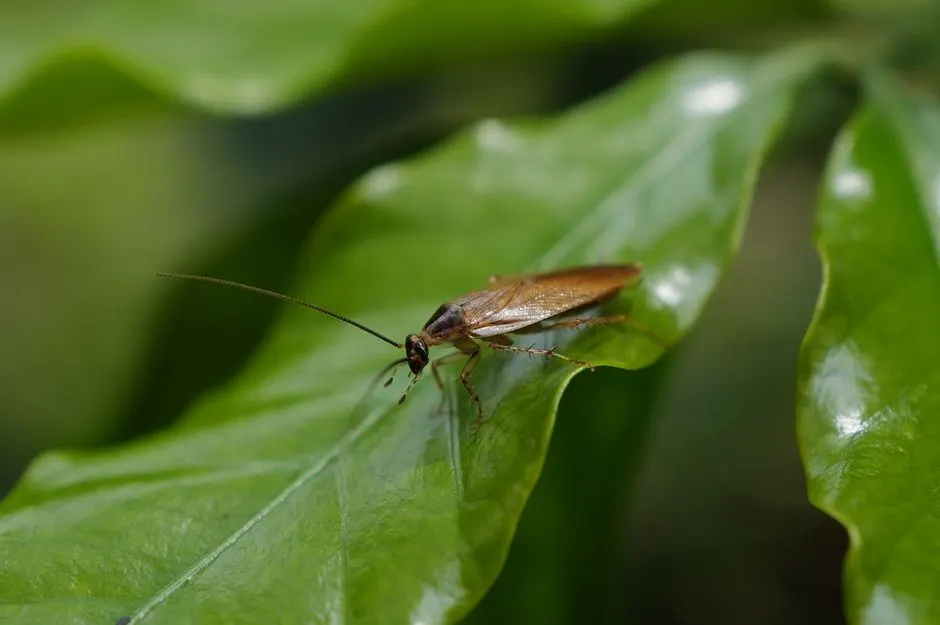
If you are seeing roaches in your Wichita kitchen at night, you almost certainly have an active harborage inside or immediately adjacent to the kitchen - not a random insect that wandered in from outside. Cockroaches are nocturnal, thigmotactic (they press their bodies against surfaces), and they follow pheromone trails back to a warm, moist crack where dozens of others are already living. Seeing one at 11 p.m. on the counter usually means ten to thirty more are behind the dishwasher, under the sink cabinet, or inside the gap between the backsplash and the wall.
This guide explains why the roaches are showing up after dark, what is attracting them to your kitchen specifically, which species you are most likely dealing with in Wichita, and how to get rid of them for good. We will also cover what professional roach control wichita KS actually involves and what it costs in 2026.
The short answer: roaches in a Wichita kitchen at night mean a harborage nearby
Why am I seeing roaches in my Wichita kitchen at night? Because cockroaches are built to avoid light, avoid open space, and avoid humans - and your kitchen after dark is the only time all three of those conditions disappear at once. A roach that is visible on a Wichita kitchen floor at night is a roach that has run out of safe harborage space, which is a population problem, not a hygiene problem.
That distinction matters. Homeowners in Wichita often assume roaches mean the kitchen is dirty. In our experience, the cleanest kitchens in College Hill and Riverside still get German cockroaches when a neighbouring unit, a grocery delivery bag, or a secondhand appliance brings them in. Roaches do not need filth. They need warmth, moisture, and a crack the width of a quarter.
Why roaches come out at night and not during the day
Cockroaches are negatively phototactic, which is the technical way of saying they flee light. During daylight hours they stay packed into harborage - a 1/16-inch gap behind a cabinet, the void behind a refrigerator compressor, the hinge side of a cabinet door, the underside lip of a countertop. They emerge between roughly 10 p.m. and 4 a.m. to feed, mate, and lay egg cases.
Three things drive that nighttime activity in a Wichita kitchen:
- Darkness. Roaches will not cross an open floor in daylight unless the population is already overwhelming the harborage.
- Warmth. A kitchen stays 70-78°F overnight. German cockroaches breed fastest between 80°F and 85°F, but they stay active and reproductive at any temperature above about 70°F.
- Moisture. The area under a kitchen sink, around a dishwasher, and behind a refrigerator stays humid long after the rest of the house dries out. That is where they settle.
If you are seeing roaches during the day, that is a different and more serious signal. Daytime sightings usually mean the harborage is full and roaches are being pushed out into the open. At that point you are looking at a mature cockroach extermination wichita KS situation, not a single-insect problem.
What attracts roaches to Wichita kitchens
Roaches in a Wichita kitchen are attracted by four things, in this order: moisture, food residue, warmth, and harborage. Remove any one of them and you slow the population. Remove all four and you stop it.
Moisture
A slow drip under the sink, a dishwasher that does not fully drain, a refrigerator defrost pan that overflows, or condensation on a cold-water line is enough to sustain a colony. Roaches can survive weeks on water alone. Fix the leak before you treat the insects or you are wasting money.
Food residue
Grease film on the range hood, crumbs in the toaster tray, spilled cereal behind the refrigerator, pet food left out overnight, and the residue inside a recycling bin all feed roaches. A German cockroach needs very little - a few milligrams of organic matter per day.
Warmth
Kitchens in Wichita homes stay warm year-round. In winter, when outdoor roaches die off, indoor German cockroaches keep breeding because your kitchen is a stable 72°F.
Harborage
Cardboard boxes, paper grocery bags, stacked newspaper, the gap between a cabinet and the wall, and the void behind a baseboard all serve as harborage. Roaches prefer corrugated cardboard because the flutes give them the tight body contact they want.
Which cockroach are you actually seeing in Wichita, Kansas?
Wichita has three cockroach species that show up in kitchens, and the species determines the treatment. Getting this wrong is the single most common reason DIY roach control fails.
- German cockroach. About 1/2 inch long, light brown with two dark parallel stripes behind the head. This is the species behind roughly 90% of indoor kitchen infestations in Wichita. It lives and breeds indoors and never needs to go outside.
- American cockroach. About 1.5 inches long, reddish-brown with a pale yellow ring behind the head. It usually comes in from a sewer line, floor drain, or crawl space. Larger, faster, and more likely to be seen in a basement or utility room than a cabinet.
- Oriental cockroach. About 1 inch long, very dark brown to black, and slower-moving. It prefers damp, cool areas - crawl spaces, garages, and the void under a slab.
If you are seeing small roaches in a Wichita kitchen at night, they are almost certainly German. If you are seeing large roaches, you likely have a sewer or exterior entry problem, and the fix is different. A proper pest inspection wichita KS will identify the species and the entry points before any treatment is applied.
Where roaches hide in a Wichita kitchen
Roaches in a Wichita kitchen concentrate in a predictable set of locations. When we inspect a home, we check these in order:
- The gap between the cabinet and the wall, especially on the sink side.
- The void behind and under the dishwasher - the warmest, wettest spot in most kitchens.
- The compressor compartment at the back of the refrigerator.
- The hinge side of cabinet doors and the inside of drawer slides.
- The underside of the countertop lip and the top edge of the backsplash.
- The space behind the range and inside the oven door panel.
- Under the kitchen sink, around the garbage disposal and the P-trap.
- Inside corrugated cardboard boxes stored in a pantry or on top of the refrigerator.
If you live in an apartment, add the shared wall cavities, the trash chute room, and the neighbouring unit. A residential pest control wichita KS treatment in a multi-unit building has to account for the fact that roaches travel through plumbing and electrical chases between units.
How to get rid of roaches in your Wichita kitchen
Getting rid of roaches in a Wichita kitchen takes three things done in the right order: sanitation, moisture correction, and targeted treatment. Skipping the first two makes the third useless.
Step 1: Sanitation
Clear grease and food residue from every surface a roach can reach. Pull the refrigerator and range out and clean behind them. Vacuum - do not sweep - the cabinet interiors so you remove egg cases and faecal material, not just move it around. Remove cardboard, paper bags, and stacked newspaper from the kitchen entirely.
Step 2: Moisture correction
Fix every drip. Re-caulk the sink rim. Repair the dishwasher drain. Insulate cold-water lines that sweat in summer. A dehumidifier in the kitchen during Wichita's humid months (June through September) makes the space far less hospitable.
Step 3: Targeted treatment
Gel bait placed in cracks and voids is the most effective DIY option for German cockroaches. Place small dabs - no larger than a grain of rice - in the harborage points listed above. Do not spray a residual insecticide in the same spots; the spray contaminates the bait and the roaches will avoid it. If you have already sprayed, wait at least two weeks before baiting.
For American or Oriental cockroaches coming in from a drain or crawl space, the treatment is different: it involves sealing entry points and treating the exterior perimeter. That is where a professional emergency pest control wichita KS visit is usually faster and cheaper than repeated DIY attempts.
Common mistakes that keep roaches coming back
We see the same six mistakes over and over in Wichita kitchens. Any one of them will keep a roach population alive indefinitely.
- Spraying a store-bought fogger. Foggers scatter roaches into new harborage and rarely reach the egg cases. They make the problem worse.
- Using bait and spray at the same time. The spray residue repels roaches from the bait. Pick one.
- Treating only the visible area. If you bait the countertop but not the dishwasher void, you kill the scouts and leave the colony.
- Ignoring the source of moisture. A dripping P-trap will sustain a new generation within three weeks of any treatment.
- Keeping cardboard in the kitchen. Corrugated boxes are roach condos. Recycle them outside the house.
- Treating one unit in a multi-family building. Roaches reinvade from the neighbouring unit through shared plumbing chases within days.
When to call a professional
Call a professional when you are seeing roaches in daylight, when you have treated twice and they are still there, when you live in an apartment or duplex, or when you have seen more than five roaches in a single evening. Those are all signs the harborage is larger than a DIY treatment can reach.
At wichitapestcontrolpros, we start with a full inspection to identify the species and every harborage point, then apply a targeted gel bait and insect growth regulator program. Most Wichita kitchens clear in two visits spaced 10-14 days apart, with a follow-up at 30 days if activity persists. We also seal the entry points so the problem does not return.
Frequently Asked Questions
Why am I seeing roaches in my Wichita kitchen at night?
Because cockroaches are nocturnal and your kitchen is the warmest, wettest, most food-rich room in the house. A nighttime sighting means there is an active harborage within a few feet of where you saw it - usually behind the dishwasher, under the sink, or in the gap between the cabinet and the wall.
How do I get rid of roaches in my Wichita kitchen?
Fix moisture first, remove cardboard and food residue, then place gel bait in the harborage points. Most kitchens need two treatments 10-14 days apart. If you have already sprayed insecticide, wait two weeks before baiting or the bait will not work.
Are roaches common in Wichita, Kansas?
Yes. German cockroaches are common year-round in Wichita homes and apartments, and American cockroaches come in from sewer lines and crawl spaces, especially after heavy rain. Wichita's humid summers and older housing stock make the city a steady roach environment.
What attracts roaches to Wichita kitchens?
Moisture, food residue, warmth, and harborage. A dripping sink, grease on the range hood, a warm refrigerator compressor, and a stack of cardboard boxes are the four most common attractants we find in Wichita kitchens.
How much does roach control cost in Wichita, KS?
Typical 2026 pricing for roach control in Wichita runs $150 to $350 for an initial treatment, with follow-up visits at $75 to $150 each. Severe or multi-unit infestations can run $400 to $700 for a full program. Most single-family kitchens are resolved in two visits.
Get help with pest control in Wichita
If roaches are showing up in your Wichita kitchen after dark, we can identify the species, find every harborage, and clear the problem in two visits. Call wichitapestcontrolpros at 1234567890 to schedule an inspection.