Cockroaches in a commercial kitchen
We use Advion gel baits, dusts in voids, and insect growth regulators to break the breeding cycle. Follow-up visits confirm the population is gone, and monthly monitoring keeps it that way.
When a health inspector, a customer, or an employee spots a roach or a rodent, your reputation is on the line. Our commercial pest control wichita KS program protects restaurants, offices, warehouses, and retail spaces across Sedgwick County with scheduled service, discreet treatments, and documentation you can hand to any auditor. We have been solving pest problems here since 1900.
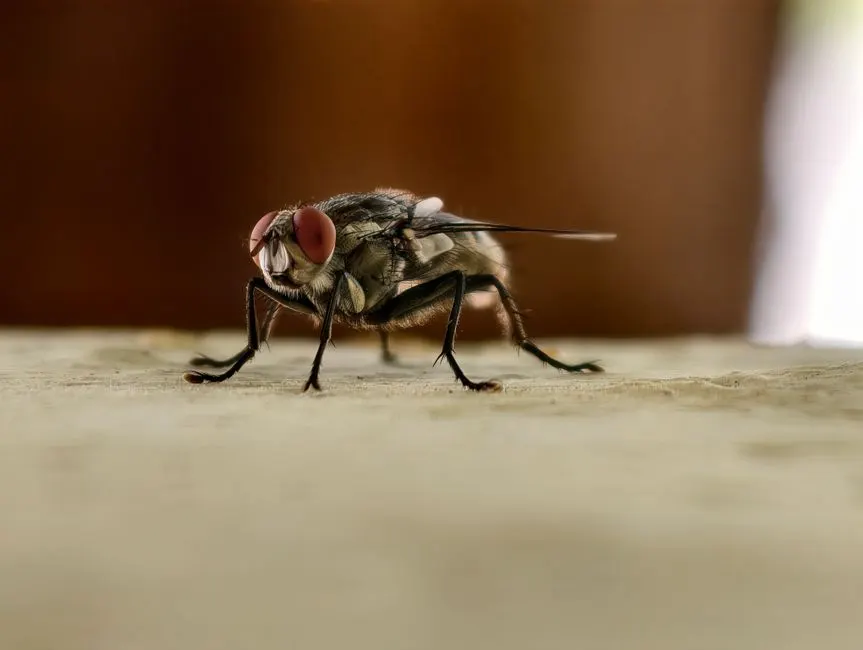
Commercial pest control wichita KS is a scheduled, documented pest management program built for businesses rather than homes. It combines inspection, exclusion work, targeted treatment, and ongoing monitoring so that rodents, cockroaches, ants, and occasional invaders never get a foothold in your building. Every visit produces a service report, and every treatment is applied by a State Certified Technician working under our Kansas Department of Agriculture Pesticide Applicator License.
Wichita businesses face pests year-round. Summer heat pushes cockroaches and ants indoors through loading docks and utility penetrations. Fall and winter drive mice and rats toward the warmth of kitchens, break rooms, and storage rooms. If you run a restaurant, a single German cockroach sighting can cost you a health inspection score. That is why so many owners search for commercial pest control near me wichita KS and end up calling us for a same-week inspection.
Every account gets the core program: inspection, treatment, monitoring, and reporting. Add-ons like termite bonds, fumigation, and wildlife exclusion are quoted separately based on what we find during the initial walkthrough.
We inspect every zone of your facility, including crawlspaces, drop ceilings, utility chases, and exterior perimeters. Findings go into a written report with photos and recommended fixes.
Bait stations, glue boards, and rodent traps are placed at numbered locations on a floor plan. Your staff can report a device number and we know exactly where to look on the next visit.
We match the product to the pest and the setting, using baits, dusts, liquid concentrates, and insect growth regulators. Applications follow label directions and OSHA Compliance standards.
Treating pests without sealing the entry is a temporary fix. We identify gaps, cracks, and penetrations and either seal them or document them for your maintenance team.
After every visit you get a signed report listing what we found, what we treated, and what to watch for. These reports are what health inspectors and auditors want to see.
If activity shows up between scheduled visits, we return at no extra charge. That is part of the program, not a separate service call.
A State Certified Technician walks your entire facility, including the areas you never think about: crawlspaces, drop ceilings, utility chases, loading docks, and grease traps. We use moisture meters and thermal imaging cameras to find hidden activity. A typical commercial inspection takes 60 to 90 minutes and you get the findings in writing.
We build the plan around your operation. A restaurant needs different placements than a warehouse. We map every bait station, glue board, and rodent trap to a numbered location, then give you a floor plan so your staff knows where each device sits. You approve the plan before we treat anything.
The first service targets existing activity. Depending on what we find, that may mean gel baits and insect growth regulators for cockroaches, snap traps and exclusion work for rodents, or a targeted liquid concentrate around entry points. Most initial cleanouts take two to four hours.
After the cleanout, we return on a set schedule, usually monthly for restaurants and quarterly for low-risk offices and warehouses. Each visit includes device checks, fresh bait where needed, and a written report. If activity spikes, we come back between scheduled visits at no extra charge.
You get a service report after every visit and a trend summary at renewal. If your inspector, your landlord, or your corporate office needs documentation, we provide it. We also flag structural issues we find, like a gap under a dock door, so you can fix the cause instead of treating the symptom forever.
Purpose-built equipment, used by trained technicians — so the job is done accurately the first time.
Tamper-resistant stations placed at numbered locations for rodent monitoring and control. Required in food-handling facilities where loose bait is not allowed.
Used for targeted liquid concentrate applications along perimeters, entry points, and crack-and-crevice zones. Calibrated for accurate, label-compliant dosing.
In-ground and in-wall monitors that detect termite activity before visible damage appears. Essential for commercial properties with wood framing or dock structures.
Snap traps and glue boards placed in attics, crawlspaces, and along walls where rodents travel. Checked and reset on every scheduled visit.
Used to find hidden rodent activity, moisture problems, and bed bug harborage behind walls and under floors without tearing anything apart.
Identify the damp conditions that attract termites, cockroaches, and centipedes. Fixing moisture is often the fastest way to solve a recurring pest problem.
Apply fine mist treatments in large open spaces like warehouses and food plants where surface coverage needs to be even and fast.
A busy Old Town restaurant had German cockroaches in the prep area and dish pit. Two previous companies had sprayed without solving it. Health inspection was three weeks out and the owner was worried about a failing score.
We mapped every bait station, applied Advion gel baits and insect growth regulators, and returned weekly for three weeks. Activity dropped to zero by week three. The restaurant scored a 97 on its inspection.
A warehouse near South City had mice in stored product and droppings along the walls. Dock doors were not sealing properly, and exterior bait stations had not been serviced in over a year.
We sealed the dock door gaps, installed new exterior bait stations, and set snap traps and glue boards along interior walls. Rodent activity dropped by more than 90 percent within 30 days.
A Bradley Fair office building had ants trailing through the break room and lobby every summer. Spraying the visible workers pushed them to new entry points instead of solving the problem.
We traced the trails to exterior nests, treated with baits and granules, and sealed the gaps under exterior doors. Ant activity stopped within two weeks and did not return the following summer.
Most commercial pest calls fall into a handful of categories. Here is what we see most often in wichita and how we handle each one.
Ask a pro →We use Advion gel baits, dusts in voids, and insect growth regulators to break the breeding cycle. Follow-up visits confirm the population is gone, and monthly monitoring keeps it that way.
We combine snap traps, glue boards, and exterior bait stations with exclusion work on dock doors and utility penetrations. Most warehouses see rodent activity drop sharply within 30 days.
We trace trails back to the nest, treat with baits and granules, and seal the exterior gaps they use. The colony dies at the source instead of relocating.
We remove nests safely, usually the same day, and treat the area so the colony does not rebuild. We also check eaves, signs, and awnings on every scheduled visit.
$95 - $250 per monthly visit; $450 - $1,800 per year for quarterly office service
Commercial pricing depends on your building, your pest pressure, and how often you need service. Typical 2026 pricing in this area runs $95 to $250 per monthly visit for restaurants and food-handling facilities, and $450 to $1,800 per year for quarterly service on smaller offices and retail spaces. Initial cleanouts, exclusion work, and specialty treatments like termite or bed bug service are quoted separately after inspection. We give you the number in writing before we start, so there are no surprise invoices.
A pest problem costs more than a service plan. Lost product, failed inspections, customer complaints, and emergency treatments add up fast. A scheduled program costs less than one bad inspection and keeps your building documented year-round.
A 2,000-square-foot office takes far less time than a 40,000-square-foot warehouse. Multiple floors, crawlspaces, and dock areas all add service time and device count.
A few ants at a door is a quick fix. A German cockroach infestation in a commercial kitchen takes multiple visits and more product. Termites and bed bugs are quoted as separate specialty services.
Monthly service costs more per year than quarterly, but it catches problems earlier and keeps documentation current for facilities that get inspected. We recommend frequency based on what we find, not a flat default.
Restaurants, food plants, and medical facilities need more documentation and more frequent visits than a standard office. The program is built around what your inspector expects to see.
“We had a roach problem in the back prep area that two other companies could not clear. These guys mapped every bait station, came in after close, and had it under control in three weeks. Our last health inspection was a 97. The monthly reports are what sold me.”
Marcus D.Restaurant Owner, Old Town
✓ Verified“We manage six office buildings and needed one vendor who could handle all of them. The quarterly service is quiet, the technicians are professional with tenants, and when a tenant reported mice in a break room they were out the same afternoon. Billing is clean and predictable.”
Angela R.Property Manager, Bradley Fair
✓ Verified“Dock doors let everything in. They sealed the gaps, set up exterior bait stations, and now we barely see a rodent. When we had a wasp nest over the shipping entrance they came out within two hours. That is the kind of response a warehouse needs.”
Tyler B.Warehouse Manager, South City
✓ VerifiedMost wichita commercial accounts run $95 to $250 per monthly visit, or $450 to $1,800 per year for quarterly service on smaller offices. Restaurants with heavy grease and moisture pressure sit at the higher end. Initial cleanouts, exclusion work, and termite or bed bug treatments are quoted separately after inspection. We give you the number before we start, so there are no surprise invoices.
The best program is the one that fits your building and shows up on schedule. We have run commercial accounts in Sedgwick County since 1900, hold the Kansas Department of Agriculture Pesticide Applicator License, and are a QualityPro and NPMA Member company. Ask any provider for their license, their insurance certificate, and a sample service report before you sign.
Yes. Kansas food code requires restaurants to have an active pest management program, and Sedgwick County health inspectors look for monitoring records and treatment logs during every inspection. A single roach or rodent sighting can drop your score and trigger a follow-up visit. Monthly restaurant pest control wichita service keeps your documentation current and your kitchen clean.
Restaurants and food-handling facilities should be serviced monthly. Offices, retail, and medical spaces usually do well on quarterly service. Warehouses with dock doors and heavy rodent pressure often need monthly monitoring during fall and winter. After the first inspection we recommend a frequency based on what we actually find, not a flat default.
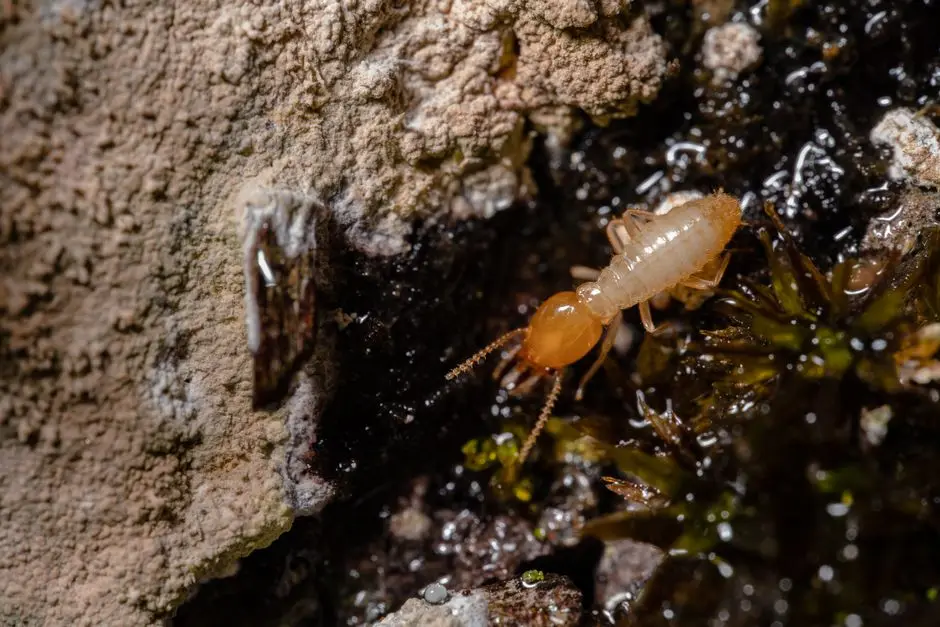 Termite ControlTermites damage wood framing, sill plates, and dock structures in wichita commercial buildings. We use termite detection devices and wood treatment solutions to find and stop colonies before structural repairs become necessary.Explore →
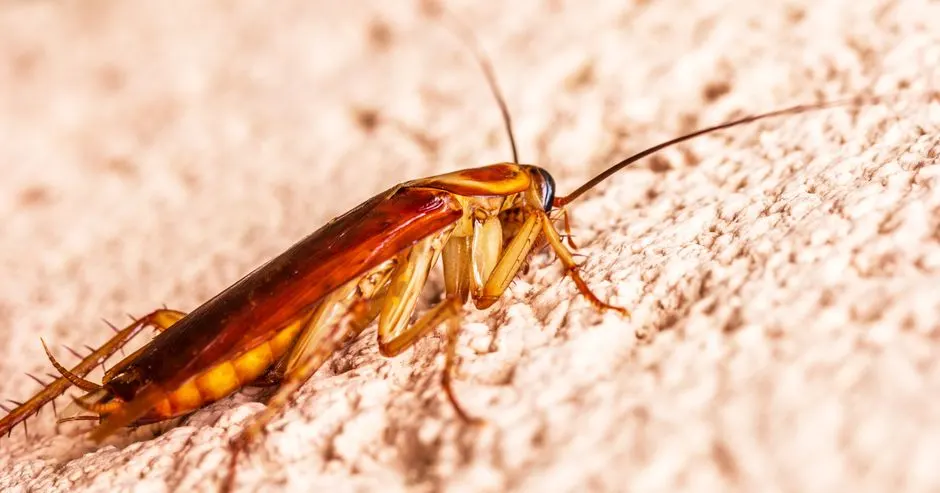 Roach ControlGerman cockroaches in a commercial kitchen are a health-code problem. We use Advion gel baits and insect growth regulators to break the breeding cycle, with follow-up visits to confirm the population is gone.Explore →
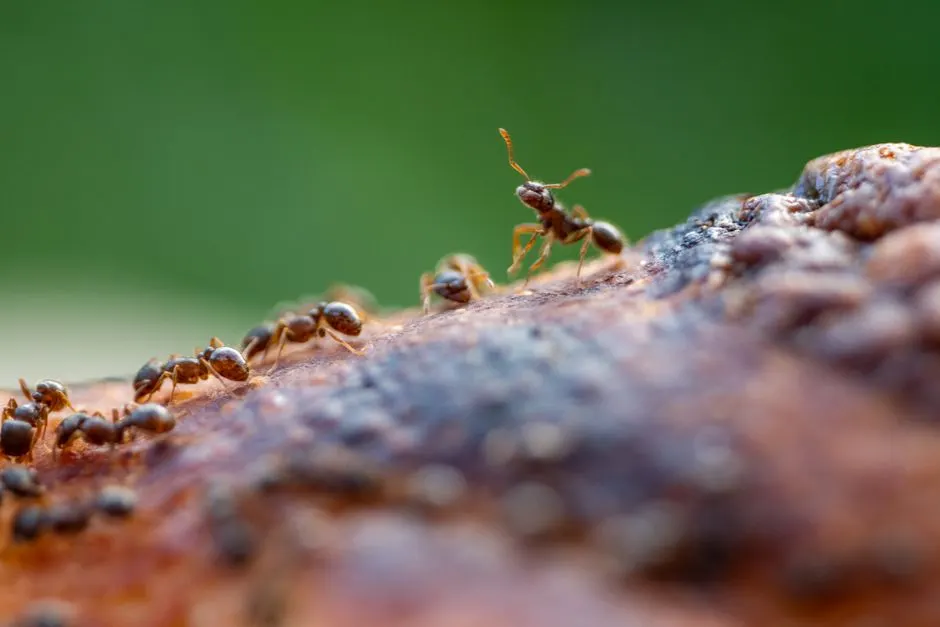 Ant ControlOdorous house ants and pavement ants invade offices and break rooms through tiny exterior gaps. We trace trails back to the nest and treat with baits and granules instead of just spraying the visible workers.Explore →
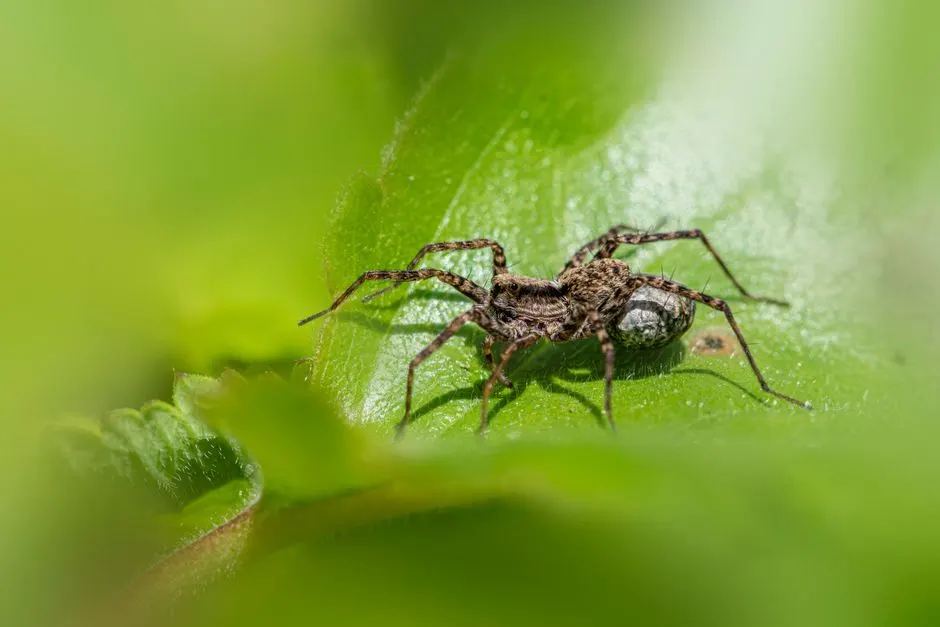 Spider ControlBrown recluse and black widow spiders show up in wichita warehouses, garages, and storage rooms. We treat webs, cracks, and dark corners with residual products and remove the harborage that keeps them coming back.Explore →
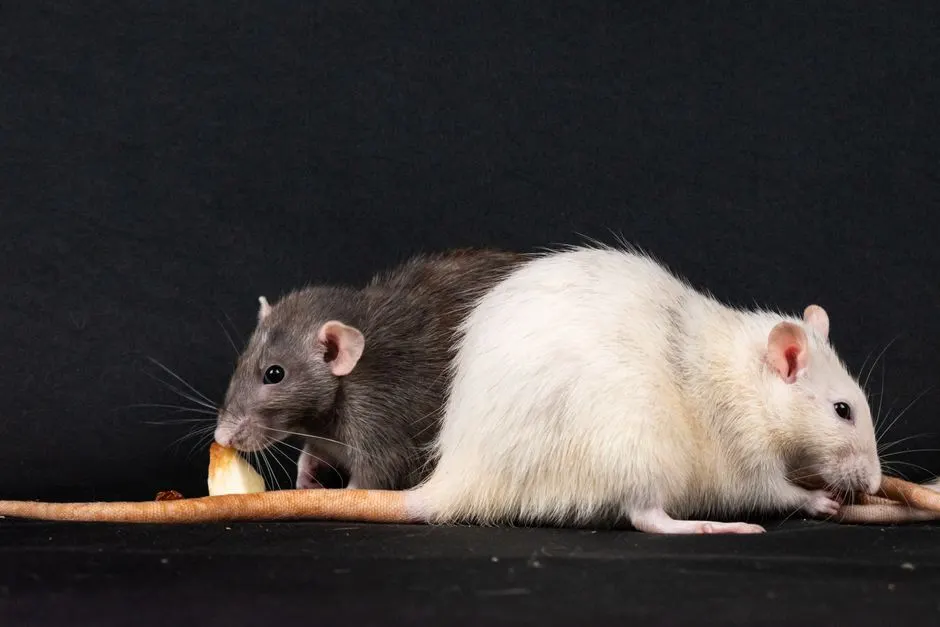 Rodent ControlMice and rats cost businesses in contaminated product, chewed wiring, and inspection failures. We combine snap traps, glue boards, and exclusion work to seal entry points and keep rodents out of your building.Explore →
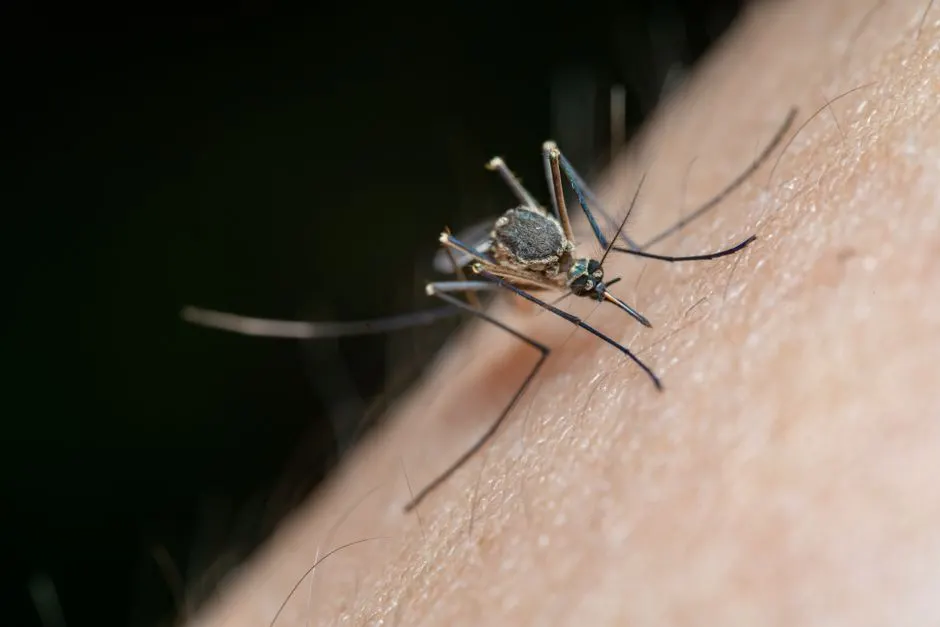 Mosquito ControlStanding water around parking lots, planters, and loading areas breeds mosquitoes that drive customers and employees indoors. We treat breeding sites and resting areas through the Kansas mosquito season.Explore →
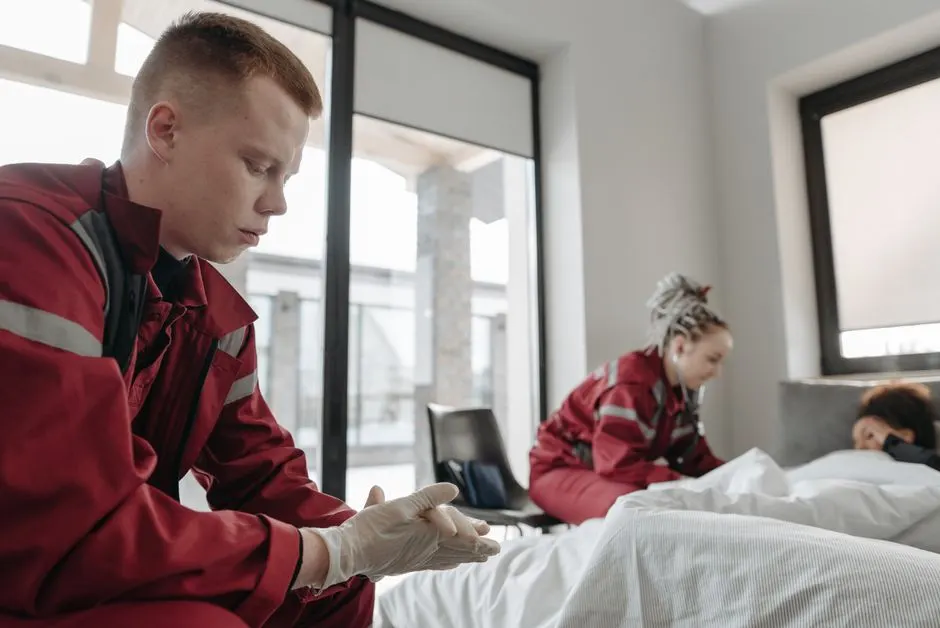 Bed Bug TreatmentHotels, clinics, and multi-unit properties in wichita deal with bed bugs year-round. We inspect with thermal imaging cameras, treat with a combination of heat and residual products, and verify with follow-up checks.Explore →
 Flea and Tick ControlVeterinary clinics, kennels, and pet-friendly businesses need flea and tick control that reaches cracks, carpet edges, and outdoor runs. We treat both interior and exterior zones on a schedule that breaks the life cycle.Explore →
Call us and we will inspect your building, quote the program in writing, and put you on the calendar. Licensed, insured, and backed by 126 years in business. Same-day and 24/7 emergency service available.
Schedule Inspection 1234567890 →Call 1234567890 or email info@wichitapestcontrolpros.com to schedule service. We answer the phone during business hours and run 24/7 dispatch for urgent pest issues. Most wichita calls get a same-day or next-day appointment, and you get a written estimate before any work starts.