Earwigs crawling into the basement every night
We treat the exterior harborage, seal the foundation gaps, and set bait stations and glue boards inside. Most Wichita basements see activity drop within a week, and the follow-up visit confirms it.
Earwig control wichita KS works only when you treat the wet, mulched, shaded ground where the colony actually lives. We inspect the foundation line, the mulch beds, and the crawlspace, then treat with granules, baits, and moisture meters to find the source. If you are seeing pincers on the patio or in the basement, we can be out today.

Earwig control wichita KS is a targeted ground-and-foundation treatment that kills earwigs where they breed, not just where you see them. Earwigs need damp, dark cover: mulch beds, leaf litter, downspout splash, cracked foundation joints, and the first two feet of soil against the house. We treat those zones with granules and liquid concentrates, place bait stations in the wet corners, and use moisture meters to find the leaks and drainage problems that keep the population fed. A standard treatment runs 45 to 90 minutes on a typical Wichita lot.
Wichita sits in a climate where spring rain and summer irrigation keep foundation soil damp for months, and that is exactly what earwigs want. Homeowners in Riverside, Delano, and College Hill call us every April through September when pincers start showing up in kitchens, garages, and basements. If you have been searching how to get rid of earwigs in wichita KS, the answer is almost always the same: dry out the perimeter, treat the harborage, and repeat the barrier once the weather turns.
Every earwig job includes the inspection, the perimeter treatment, and a follow-up visit. Here is what is covered on a standard residential call, and what we quote separately if your property needs it.
We walk the entire foundation line, check mulch depth, read soil moisture with a meter, and look at downspouts, window wells, and crawlspace vents. This is where we find the harborage zones that a spray-only treatment would miss.
Granules go on the mulch beds and soil, and a liquid concentrate barrier goes along the foundation joint and the first 2 to 3 feet of soil. We use insecticide sprayers calibrated for the surface, not a blanket broadcast.
For indoor activity we place bait stations and glue boards in the wet corners, basements, and garages, and dust the crack lines where earwigs travel. This is included on standard residential jobs.
We seal the visible gaps at the foundation, vents, and utility penetrations that earwigs use to get inside. This is a physical fix that makes the chemical barrier last longer.
We come back in 7 to 14 days to check the bait stations and glue boards and confirm the population is dropping. If activity is still high, we re-treat at no extra cost.
You get a report listing what was treated, what products were used, and what we recommend for prevention. Useful for rental properties and for tracking results across seasons.
We ask where you are seeing earwigs, how long it has been going on, and whether there is mulch, irrigation, or a crawlspace involved. That call takes about 10 minutes and lets us bring the right materials on the first visit instead of the second.
A state-certified technician walks the perimeter, checks the mulch depth, reads moisture levels with a meter, and looks at the foundation line, downspouts, and window wells. This is where we find the harborage, and it usually takes 20 to 30 minutes.
We lay out what we are going to do: granules on the beds, a liquid concentrate barrier along the foundation, bait stations in the wet corners, and dust in the crack lines. You get the price before we start, and there is no charge for the inspection.
The application itself takes 45 to 90 minutes on a typical Wichita lot. We use insecticide sprayers and fogging machines where needed, place bait stations and glue boards, and keep kids and pets off the treated zones until everything is dry.
We come back in 7 to 14 days to check the glue boards and bait stations and confirm the population is dropping. If activity is still high, we re-treat at no extra cost. After that, most customers move to a quarterly barrier.
Purpose-built equipment, used by trained technicians — so the job is done accurately the first time.
Calibrated sprayers for the liquid concentrate barrier along the foundation joint and the first 2 to 3 feet of soil. We adjust pressure and tip size to the surface so the product goes where it needs to.
Used during the inspection to find the wet zones in the mulch, soil, and crawlspace. Earwigs do not show up without moisture, so this is where the treatment plan starts.
Inspection cameras for wall voids, crawlspaces, and foundation gaps. They let us confirm harborage without cutting into drywall or pulling siding.
Used in crawlspaces and large voids where a sprayer cannot reach. Fogging delivers product into the tight spaces earwigs use as harborage.
Placed in wet corners, basements, and garages. We use Bell Laboratories and Catchmaster stations because they hold up in Wichita humidity.
Monitoring devices placed in the same zones as the bait stations. They tell us whether the population is dropping between visits.
Used on commercial and larger residential jobs to find moisture and air leaks that point to earwig entry points and harborage.
A homeowner in Delano was finding 10 to 15 earwigs a night in a finished basement. The foundation joint had visible gaps, and the mulch bed outside was wet year-round from a leaking irrigation head.
We treated the exterior perimeter with granules and a liquid barrier, sealed the foundation gaps, and set bait stations and glue boards inside. Within 7 days, nightly sightings dropped to zero, and the follow-up visit confirmed no activity.
A family in College Hill could not use their patio in the evening because earwigs were crawling out of the mulch beds by the dozens. They had sprayed twice with hardware store products and it did not hold.
We broadcast granules across the beds, treated the foundation line, and addressed the downspout that was dumping water into the mulch. Outdoor counts dropped by more than 90 percent within 5 days.
A Downtown Wichita restaurant had earwigs showing up in the dry storage area and got a corrective action note from a health inspector. The exterior mulch bed against the building was soaked from a broken sprinkler line.
We treated after hours with bait stations, glue boards, and a perimeter barrier, and provided product labels and service documentation. The re-inspection passed with no earwig activity noted.
Earwigs are not dangerous, but they get into food, laundry, and bedding, and a wet foundation will keep feeding them in. Here are the problems we hear about most.
Ask a pro →We treat the exterior harborage, seal the foundation gaps, and set bait stations and glue boards inside. Most Wichita basements see activity drop within a week, and the follow-up visit confirms it.
We trace the entry point, treat the crack lines and voids with dust, and place bait stations under the sink and along the baseboards. We also treat the exterior perimeter so the source is handled.
We broadcast granules across the mulch and soil, treat the foundation line, and address the irrigation or drainage issue keeping the beds wet. Outdoor counts drop fast once the soil barrier is in place.
We run an after-hours treatment with bait stations, glue boards, and a perimeter barrier, and we provide the documentation your inspector wants. Most commercial accounts move to a monthly or quarterly program.
$150 - $450 for a single residential treatment; $85 - $150 per visit on a quarterly program
Typical 2026 pricing for earwig control wichita KS runs $150 to $450 for a single residential treatment, and $85 to $150 per visit on a quarterly barrier program. The price depends on lot size, mulch depth, whether there is a crawlspace, and how many harborage zones need treating. We give you the exact number after the free inspection, before any work starts. No surprise line items, no pressure to add services you do not need.
The price covers the inspection, the perimeter treatment, the interior harborage work, and the follow-up visit. You are paying for the moisture source to be found and the harborage to be treated, not just a spray that wears off in two weeks.
A larger yard with extensive mulch beds takes more product and more time. A typical Wichita lot runs 45 to 90 minutes, while a half-acre property with deep beds can push past 2 hours.
Crawlspaces and finished basements add interior work, including dusting crack lines and setting bait stations. This usually adds $50 to $150 to the job.
A light perimeter problem is a single treatment. A heavy infestation with indoor activity may need a second application and a longer monitoring period.
If we find a leaking irrigation head, a failed downspout, or a grading issue, fixing it is what keeps earwigs from coming back. Some fixes are simple; others need a plumber or landscaper.
“We had earwigs coming into the basement every night for about three weeks. The technician walked the whole perimeter, found that our downspout was dumping right into the mulch bed, and treated the soil and the foundation line. Within four days we stopped seeing them inside. He also gave us a written price for quarterly service, which we took.”
Marcus T.Homeowner, Riverside
✓ Verified“I called three companies and these were the only ones who actually inspected the yard before quoting. They used a moisture meter on the mulch and found the irrigation head that was leaking. Treated the beds, set bait stations in the garage, and followed up two weeks later. Earwigs are basically gone.”
Dana R.Homeowner, College Hill
✓ Verified“We manage a small apartment building and the tenants were complaining about earwigs in the laundry room. They treated the exterior and the interior crack lines, and the follow-up visit confirmed the population was down. Documentation was clean and they worked around our tenants' schedule.”
Priya S.Property Manager, Downtown Wichita
✓ VerifiedMost residential earwig treatments in Wichita run $150 to $450 for a single application, and quarterly barrier programs run $85 to $150 per visit. The price depends on lot size, mulch depth, whether there is a crawlspace, and how many harborage zones need treating. Commercial properties and heavy infestations run higher. We give you the exact number after the free inspection, before any work starts.
You get rid of earwigs by treating the outdoor harborage first, then sealing the entry points. Pull mulch back 6 inches from the foundation, fix the downspout and grading issues that keep soil wet, and treat the perimeter with granules and a liquid barrier. Inside, use bait stations and glue boards in the wet corners. Most Wichita homes see activity drop within a week of a proper treatment.
The best earwig treatment in Wichita Kansas combines a granular broadcast on the mulch beds, a liquid concentrate barrier along the foundation, and bait stations in the wettest corners. That three-part approach beats spraying alone because it hits the soil, the structure, and the harborage at the same time. We also use moisture meters to find the water source, because earwigs will keep coming back until the ground dries out.
A standard earwig treatment takes 45 to 90 minutes on a typical Wichita lot, including the inspection. Larger properties, heavy mulch, or crawlspace work can push it to 2 hours. You will see a noticeable drop in activity within 3 to 7 days, and we schedule a follow-up visit 7 to 14 days out to confirm the population is down and re-treat if needed.
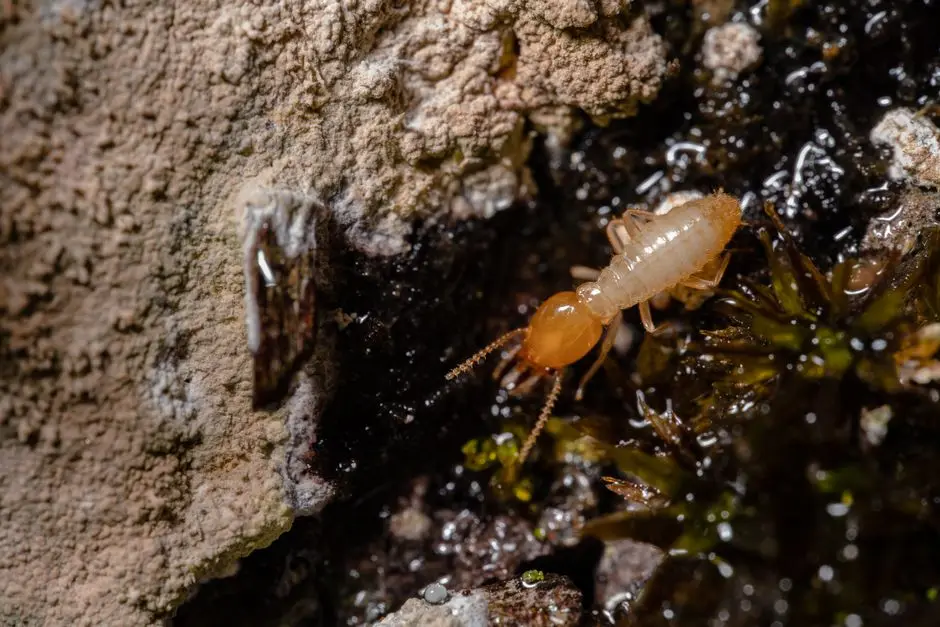 Termite ControlEarwigs and termites both thrive in damp foundation soil, so if we find moisture problems during an earwig job we check for termite activity too. Our termite work uses Termidor and bait stations, and the inspection is included when bundled with earwig treatment.Explore →
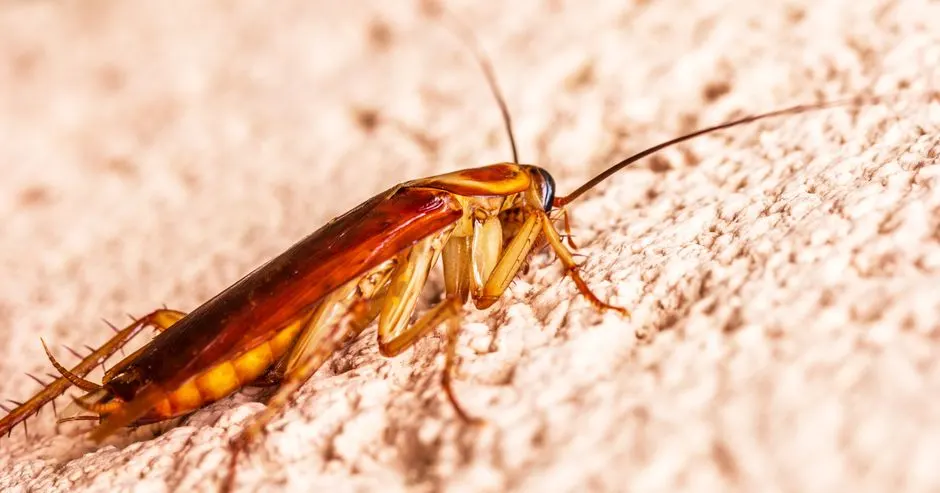 Roach ControlRoaches and earwigs often share the same wet crawlspaces and basement corners in Wichita homes. If your earwig problem comes with roach sightings, we treat both on the same visit using Advion bait and insect growth regulators.Explore →
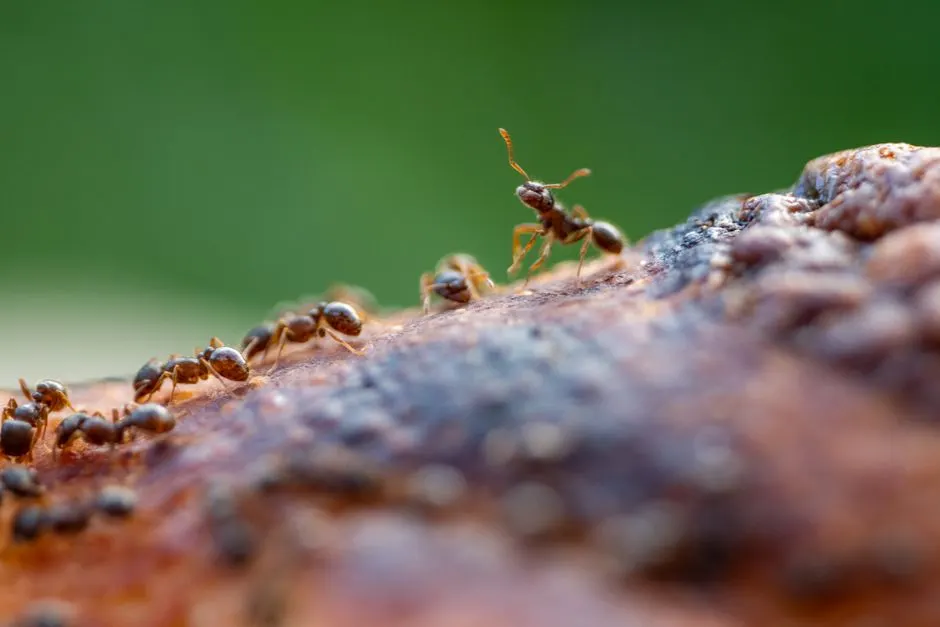 Ant ControlAnt invasions spike in the same wet, mulched zones that earwigs love. We treat ant trails and nests alongside the earwig barrier so you are not paying for two separate call-outs on the same foundation problem.Explore →
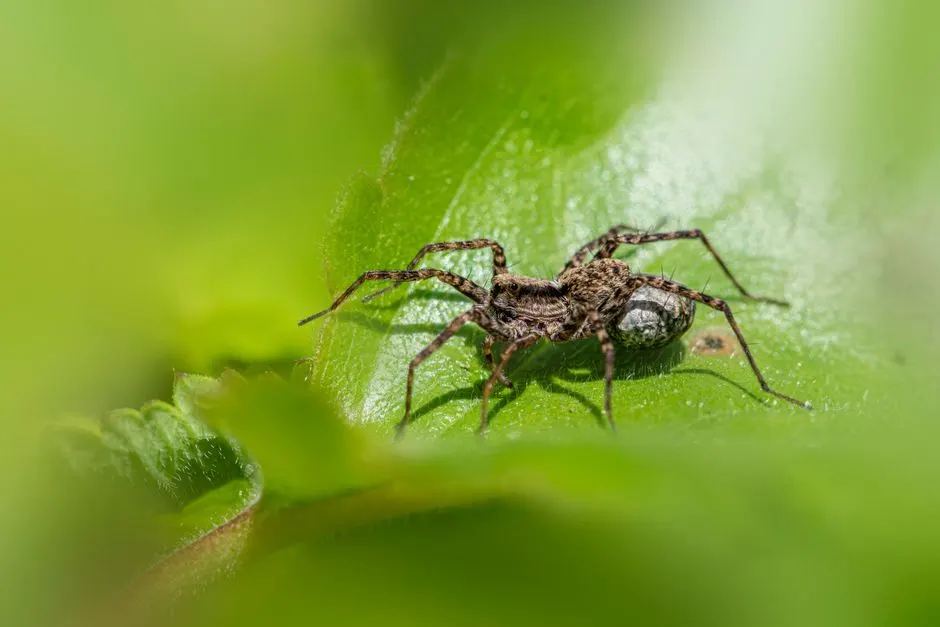 Spider ControlSpiders follow earwigs and other insects indoors, so a spider problem often clears up once the earwig population drops. We treat the web-prone corners and exterior eaves during the same visit.Explore →
 Rodent ControlMice and rats use the same foundation gaps and crawlspace openings that earwigs slip through. Our rodent work uses snap traps, glue boards, and Bell Laboratories bait stations, and we seal the entry points to keep both pests out.Explore →
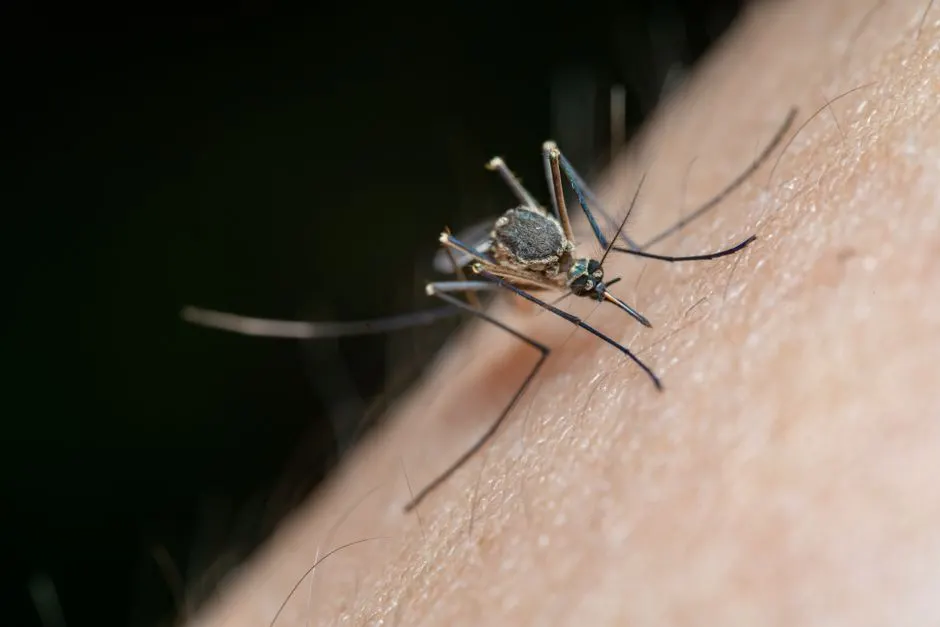 Mosquito ControlThe standing water and damp mulch that feed earwigs also breed mosquitoes. If you are getting bitten on the patio while chasing earwigs, we can treat both on the same service call.Explore →
 Bed Bug TreatmentBed bugs are a separate problem, but they are common in Wichita rentals and multifamily buildings. We use thermal imaging cameras and targeted treatments, and we can quote it alongside your earwig service.Explore →
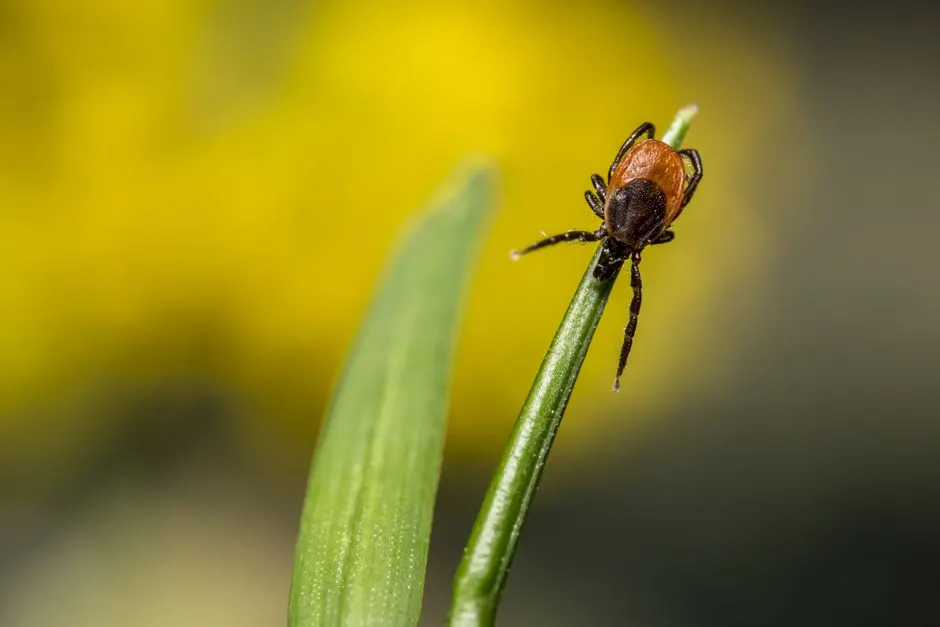 Flea and Tick ControlPets bring fleas and ticks in from the same damp yard where earwigs live. Treating the lawn and perimeter for earwigs is a good time to add flea and tick control for full yard coverage.Explore →
Every earwig job starts with a free inspection and a written price. We are licensed, insured, and we have been treating Wichita homes since 1900. Call today and we will get a technician out to your property, usually the same day.
Get a free quote 1234567890 →Call 1234567890 or email info@wichitapestcontrolpros.com to schedule service. We answer the phone during business hours and run 24/7 dispatch for urgent pest issues. Most wichita calls get a same-day or next-day appointment, and you get a written estimate before any work starts.